REVIEW · PAGE
Upper Antelope Canyon Ticket
Book on Viator →Operated by TakeYourTrip · Bookable on Viator
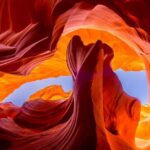
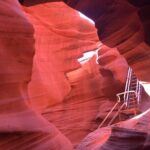
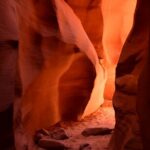
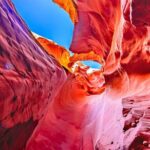
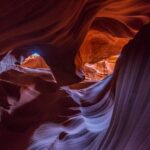
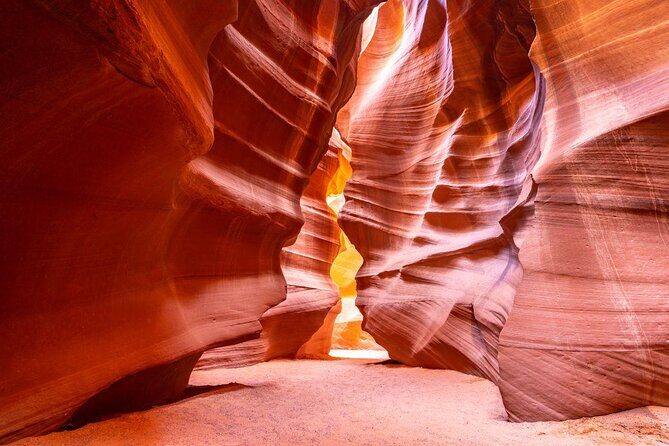
A canyon that turns light into art. This Upper Antelope Canyon tour is part geology lesson, part Navajo storytelling, and part hands-on photo coaching—plus a dramatic walk through the stone “cathedral” where the colors shift as you move. I really like how the guide focuses on how slot canyons form, and I also love the way guides help you aim for the best views (the photo tips are practical, not just theory).
There’s a catch: the rules are tight and the hike is real. You’ll deal with a no-bag policy inside the canyon, a short but moderately difficult walk (0.8 miles total on walkways), and you should plan for extra day-of fees and a strict late check-in window.
In This Review
- Key things to know before you go
- Getting there the right way: the dirt-road ride, shuttle, and 0.8-mile walk
- The light-beam timing game: when to pick your timeslot
- What your Navajo guide teaches: geology, culture, and real-world context
- Photo rules and camera strategy: how to get great shots without breaking the rules
- Logistics that can make or break your day: time zone, timing, and what to wear
- Price and value: what $149 really buys (and the cash fees to budget)
- How the experience feels: pacing, interaction, and why it can feel rushed
- Who should book this Upper Antelope Canyon ticket (and who should reconsider)
- Should you book the Upper Antelope Canyon Ticket?
- FAQ
- How long is the Upper Antelope Canyon tour?
- Where do I check in for the Upper Antelope Canyon ticket?
- Is hotel pickup available?
- What are the rules for bags and camera gear?
- Do I need to hike inside the canyon?
- What extra fees should I expect to pay on arrival?
- When can I see the famous light beams?
Key things to know before you go
- Check in early and don’t risk it: arrive at the meeting point at least 45 minutes early (and be on site up to 1 hour early), or you may lose your slot with no refund.
- Go time matters for light beams: mid-day is best for famous light beams (especially April to September), while morning/afternoon gives deeper canyon colors.
- You’ll hike inside: expect to go up and down walkways through the canyon corridor (about 0.8 miles), rated moderately difficult.
- The gear restrictions are strict: no selfie sticks, GoPros, drones, or professional camera accessories; no bags allowed in the canyon.
- Plan for extra cash fees: gratuity is recommended cash-only, plus a required check-in service fee and Navajo permit fee.
- You drive in first, then get shuttled: you’ll ride out from the tour pickup area by truck and then get a short shuttle ride to the entrance area.
Getting there the right way: the dirt-road ride, shuttle, and 0.8-mile walk
This tour starts at Tse Bighanilini Tours (HWY 98, Milepost 299.8, Page, AZ). I like that it’s built around a clear timeline: you check in early, get basic safety info, then you head out by truck over desert dirt roads to the canyon area.
Once you’re at Upper Antelope Canyon, you’ll step into the rock corridor and follow your guide’s pacing. There’s no lounging here. You’ll walk up and down the canyon walkways, covering about 0.8 miles total, and the route is rated moderately difficult. For most people, that means a steady walk with stairs/uneven footing—not a trail hike—but still something to treat seriously. Wear closed-toe shoes with grip; sand and dust are part of the deal.
You should also note two practical facts that shape your experience:
- There are no restrooms at the canyon, so plan ahead and use facilities before you depart.
- The tour includes a short shuttle (about 3 miles) to the canyon entrance area, so you’re not walking the approach.
Other Upper Antelope Canyon we've reviewed at Antelope Canyon & Northern Arizona
The light-beam timing game: when to pick your timeslot
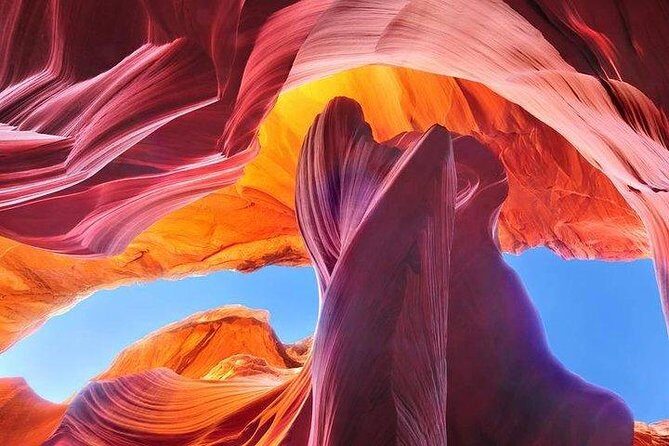
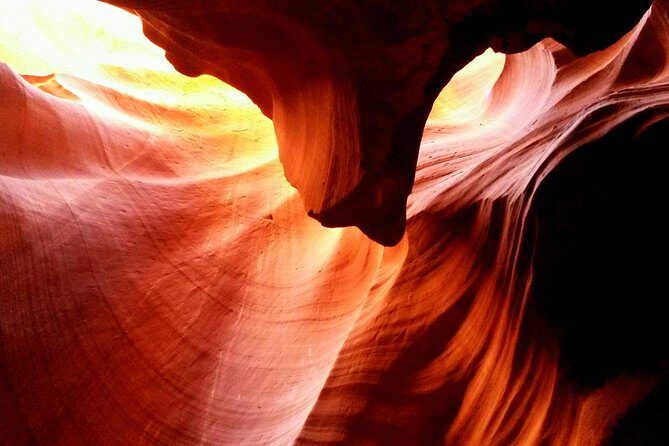
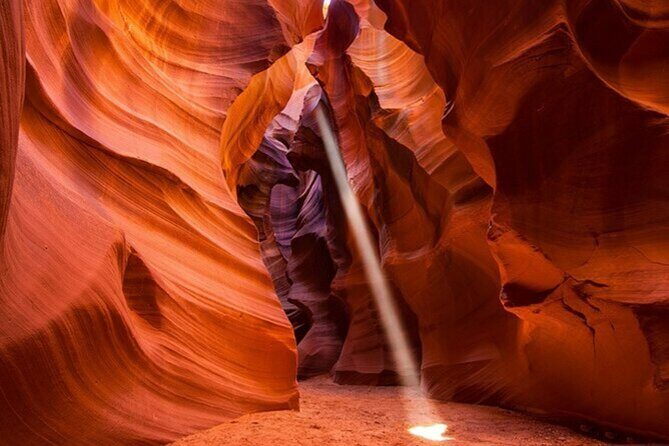
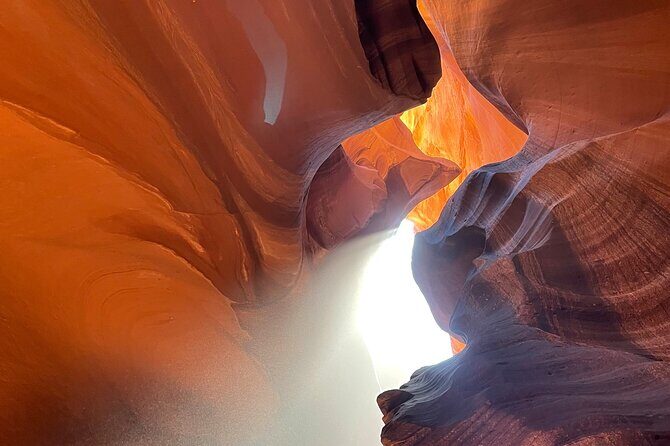
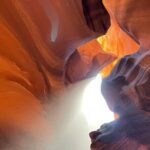
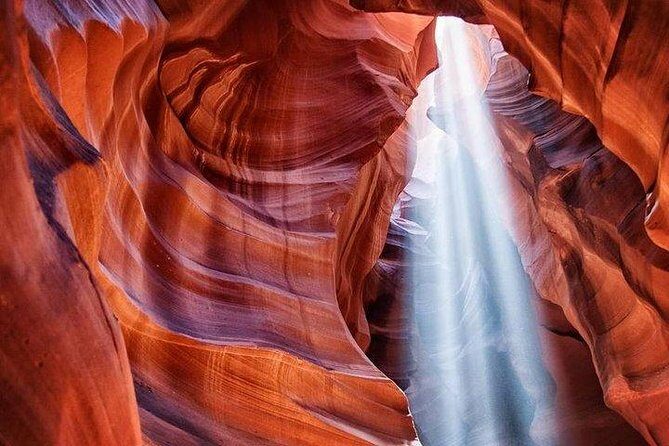
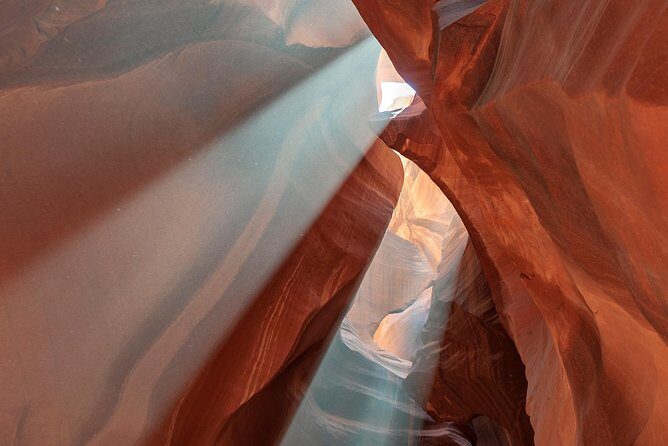
Upper Antelope Canyon is famous for how sunlight behaves as it enters the opening and slices down into the passage. The tour’s timing affects what you’ll see.
Here’s what matters most:
- Light beams tend to appear mid-day from April to September.
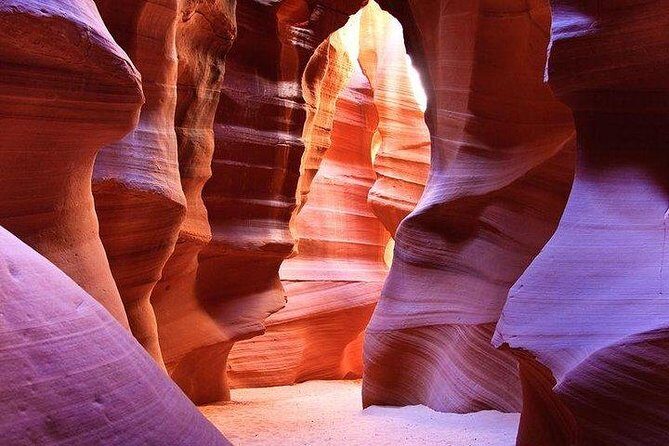
- Colors are often rich and deep in the morning and afternoon.
A lot of people choose a timeslot expecting a “show,” and that’s fair—just calibrate your expectations. Even in good conditions, the beams depend on the season and time of day. If you’re trying to maximize your odds, prioritize the mid-day window during the beam season.
If you’re not chasing beams for photos, you can relax a bit. Morning and afternoon are often more forgiving for overall color and atmosphere, and you still get the stone shapes, the guide’s explanations, and the classic corridor experience.
What your Navajo guide teaches: geology, culture, and real-world context
This isn’t just a walk-through with a narrator. Your guide is required to lead you, and the content is built around two threads: how the canyon formed and how the land connects to Navajo life.
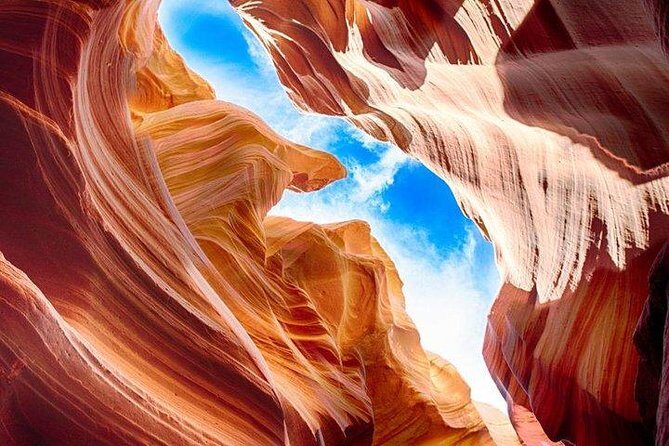
Expect geology explanations that help you see the canyon differently. Guides often point out the “why” behind the smooth walls and sweeping curves—how water and sandstone deposition work over long timescales to create a narrow, slot-like passage. That’s also why even first-time visitors end up looking at photos and thinking, now I understand what I’m seeing.
On the culture side, you’ll hear about Navajo culture and modern-day issues tied to the area. This matters because it keeps the canyon from feeling like an empty scenic set. You get context that makes the place more than a photo backdrop.
The guide personalities also shape the experience. I saw plenty of praise for guides who are patient and interactive—people often singled out guides like Wyatt, JR, Nathaniel, Makaya, Tyrone, Lee, and Jay for being helpful with both information and photography. That kind of guide energy turns a short walk into something you remember longer than the pictures.
Photo rules and camera strategy: how to get great shots without breaking the rules
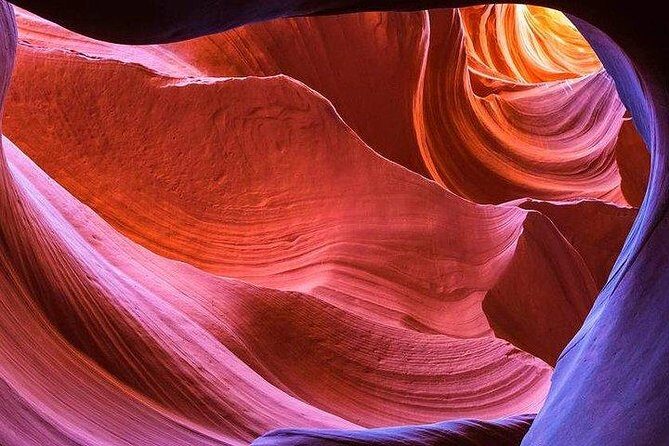
If you’re the type who wants your photos to look like they belong in a travel magazine, this tour is workable—just follow the constraints.
What you need to know before you pack:
- No bags are allowed in the canyon.
- You’re not allowed to bring selfie sticks, GoPros, drones, or other professional camera accessories.
- You also can’t bring tripods.
- You can bring a small personal bag that fits what you need.
So how do you get good pictures without a tripod or big gear?
- Use a camera setting that works for indoor light changes (your guide can help you with basic exposure/angle guidance).
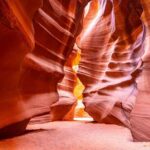
- Focus on the corridor perspective. Upper Antelope Canyon is all about leading lines—your best shots usually come from standing where the guide says the light hits.
- Be ready for short repositioning. The canyon isn’t a long viewpoint. You move, then the light shifts, and you capture it quickly.
If you’re going mid-day during the beam season, be prepared for a fast-changing scene: the light shafts don’t stay static for long, and your guide will want you in the right spots at the right time. That’s where helpful guides shine—some guides even help take group shots when conditions allow.
Logistics that can make or break your day: time zone, timing, and what to wear
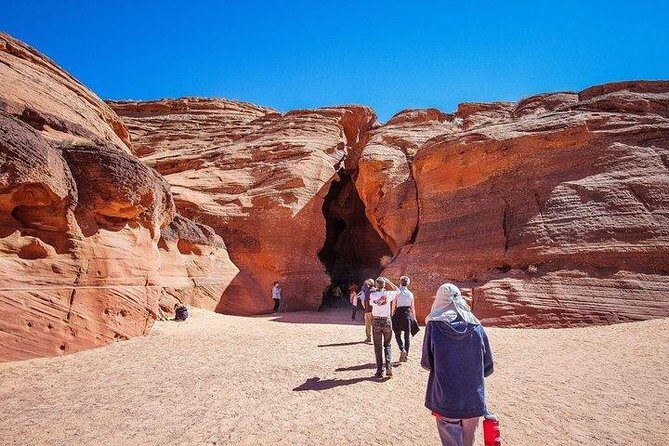
Two small details can save you from stress.
1) Time zone confusion is common in this area.
The tour’s times are listed in Arizona time. The instructions even warn that cell towers from nearby regions (including Utah/Navajo Nation surroundings) can cause your phone clock to display the wrong time. The practical move: manually set your phone to Phoenix, AZ time so you don’t show up at the wrong moment.
2) Clothing and footwear affect comfort fast.
You’ll be outside in desert dust. Plan for sun and heat, and also dress in layers because temperatures can swing. A hat and sunscreen are a must. Long sleeves help when the wind picks up dust. Sturdy closed-toe shoes are the real MVP.
Also remember the canyon walk includes stairs/walkways and the route is rated moderately difficult, so skip fashion sneakers that have poor traction.
Other Tickets & Admission we've reviewed at Antelope Canyon & Northern Arizona


Price and value: what $149 really buys (and the cash fees to budget)
The ticket price is $149 per person, and you’re buying into a guided, timed entry experience that includes the Upper Antelope Canyon admission. The duration is roughly 1 to 1.5 hours, which includes time in the canyon portion plus the ride/shuttle flow.
Is it worth it? It depends on what you’re optimizing for:
- If you want structured timing, a guide who explains formation and context, and help with photography constraints, the guided value makes sense.
- If you’re mostly a casual walker who just wants a quick look, you’ll still pay for the guidance and the controlled access.
Now the important part: extra day-of costs show up even when the base ticket seems straightforward. Based on the tour terms, you should budget for:
- Gratuity: recommended minimum $3 per person, cash-only
- Check-in service fee: $5 per person, cash-only and required
- Navajo permit fee: $15 per person
- Environmental Protection Fee: $8, payable upon arrival
That means your all-in cost can be noticeably higher than the sticker price. When you’re deciding, I suggest you calculate your total early—especially if you’re traveling as a family.
One more value warning, based on real-world experiences I saw: third-party booking channels can charge substantially more than buying directly from the local vendor on-site. If price is your top concern, compare options before you lock in. If you value convenience and guaranteed timeslots, the extra cost might feel less painful.
How the experience feels: pacing, interaction, and why it can feel rushed
Most tours here are built to manage the crowd flow inside a narrow corridor. That creates a certain pace. Many guides manage it well, and people often describe the experience as smooth and efficient.
You’ll likely spend time hearing explanations, then time moving to the photo points. Some visitors love how guides slow down to show angles and help with camera settings. Others note the schedule can feel slightly fast—like you’re seeing a lot but not staying long at each moment.
If you’re the kind of traveler who wants time to linger in one spot, arrive mentally prepared for a stop-and-go experience. The upside is you don’t have to figure out where to stand or what to look for; the guide is effectively doing the heavy lifting.
Who should book this Upper Antelope Canyon ticket (and who should reconsider)
This tour is a strong match if you:
- Want the guided canyon experience with Navajo context
- Care about photography but don’t want to manage complex access rules alone
- Like learning while you walk (geology + culture + practical photo help)
You might rethink it if you:
- Hate the idea of no bags and strict camera rules
- Have trouble with a moderately difficult walk on walkways (stairs and uneven footing)
- Need on-site restrooms (there aren’t any)
- Are sensitive to higher total costs once you add cash fees
If you’re traveling with kids, note that a baby also needs a paid seat at the same price, and you’ll need your own car seat/booster for the shuttle ride for children under 55 lbs.
Should you book the Upper Antelope Canyon Ticket?
I’d book it if you’re in Page with limited time and you want the canyon experience done the right way: timed entry, a real guide, and help turning light into photos. The guide-led geology and cultural context make the short walk feel more meaningful, not just scenic.
I’d also book it strategically: pick a timeslot based on what you want most—mid-day during April to September for beam odds, morning/afternoon for deeper color.
Before you commit, do two things: budget for the cash fees, and plan your gear around the no-bag rule. If you can do those two basics, Upper Antelope Canyon is one of those rare places where a short hike can feel like you walked into another world.
FAQ
How long is the Upper Antelope Canyon tour?
It runs about 1 hour to 1 hour 30 minutes. You’ll also ride out to the canyon area, and the canyon portion is about 1 hour.
Where do I check in for the Upper Antelope Canyon ticket?
Check in at Tse Bighanilini Tours, HWY 98, Milepost 299.8, Page, AZ 86040. You must be on site at least 45 minutes early, and you’re advised to arrive 1 hour early to exchange tickets.
Is hotel pickup available?
No, hotel pickup is not available. You’ll need to make your own way to the meeting point.
What are the rules for bags and camera gear?
You cannot bring bags into the canyon. You also aren’t allowed to bring selfie sticks, GoPros, drones, or tripods, along with other professional camera accessories. A small personal bag is allowed.
Do I need to hike inside the canyon?
Yes. You must hike up and down walkways inside the canyon, totaling about 0.8 miles, and the route is rated moderately difficult.
What extra fees should I expect to pay on arrival?
Plan for these cash-only costs: $5 check-in service fee per person (required), a recommended minimum $3 gratuity per person, and $15 Navajo permit fee per person. There is also an $8 Environmental Protection Fee payable upon arrival.
When can I see the famous light beams?
Light beams occur mid-day during April to September. Colors are often described as rich and deep in the morning and afternoon.