REVIEW · PAGE
Upper Antelope Canyon Admission Ticket (TB)
Book on Viator →Operated by National Park Express · Bookable on Viator
Slot canyons are basically light machines. This Upper Antelope Canyon tour gets you into a place only reachable with guided access and shows you how the rock carvings form over millions of years. The experience is built around a small group and Navajo guidance that blends geology, cultural context, and photography help.
Two things I like a lot: the tour’s pace feels manageable for a slot canyon walk, and the guide focus on getting strong photos from your phone makes the time feel extra worth it. One heads-up: the canyon walk requires steady footing on uneven ground and steep incline/decline, and there are strict rules about gear like tripods.
In This Review
- Quick take: what you should know before you go
- Entering Upper Antelope Canyon: what this tour really offers
- The main stop: walking the canyon floor and chasing the light
- The geology, culture, and preservation talk you’ll actually remember
- Your guide and phone-photo coaching: why the experience feels smoother
- Timing, check-in, and the “be there early” rule
- Group size and pace: small enough to feel personal
- What’s included, what costs extra, and how to judge the value
- Gear and rules inside the canyon
- Weather, closures, and how to protect your plans
- Should you book Upper Antelope Canyon with this guided ticket?
- FAQ
- Is this Upper Antelope Canyon tour a guided experience?
- How long does the Upper Antelope Canyon guided tour take?
- What is the meeting time expectation?
- What is the group size limit?
- Are tripods or other camera supports allowed?
- Are pets or service animals allowed?
- What if weather causes the tour to be canceled?
Quick take: what you should know before you go
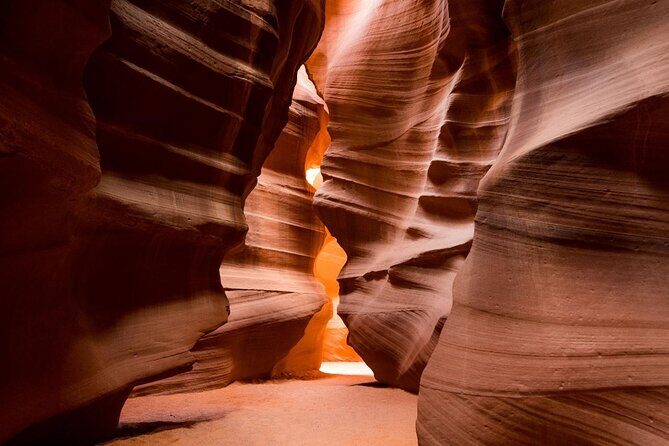
Only guided access to Upper Antelope Canyon
Small group size (max 15) keeps the experience feeling personal
Navajo guide context adds meaning beyond the photos
Phone-friendly photography coaching helps you capture the light
No tripods/large bags means you travel light
Timing affects light (midday can mean brighter beams)
Entering Upper Antelope Canyon: what this tour really offers
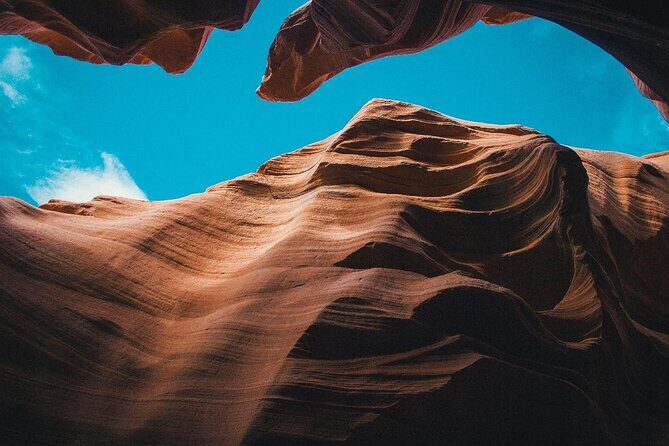
You’re paying for something simple and valuable: guided entry into Upper Antelope Canyon, plus a Navajo Nation–related permit structure and local guide interpretation. Upper Antelope is one of those spots where the “wow” is obvious the moment you see the walls, but the guided piece is what turns it into a story you can actually understand.
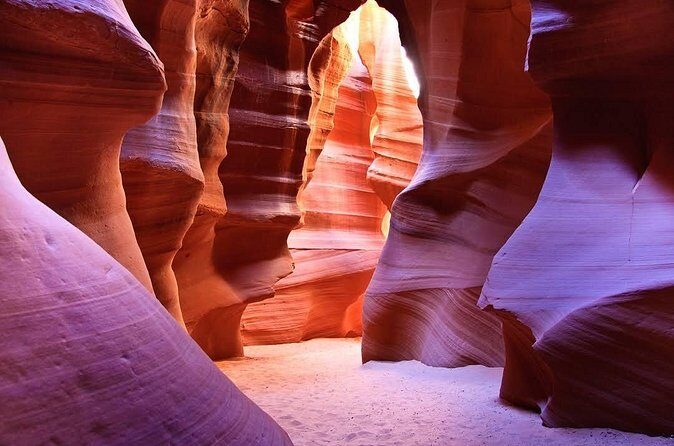
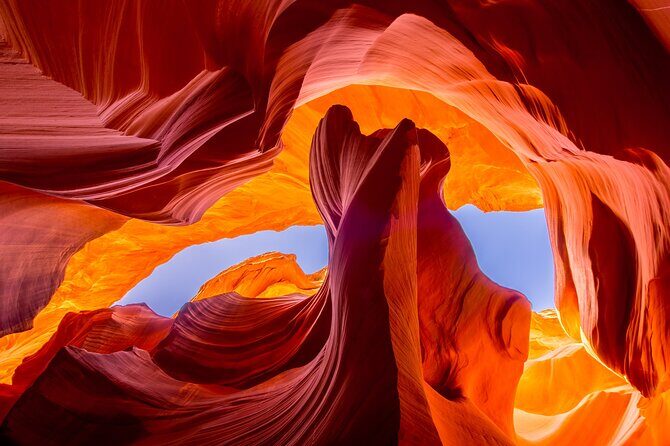
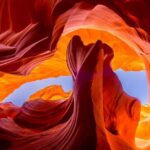
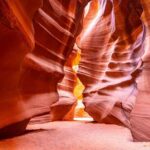
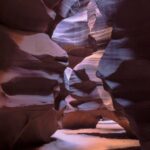
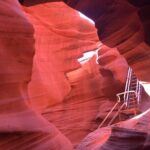
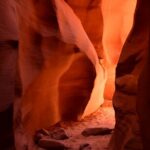
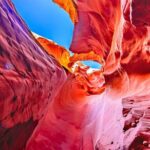
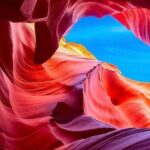
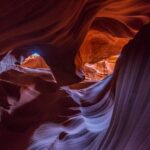
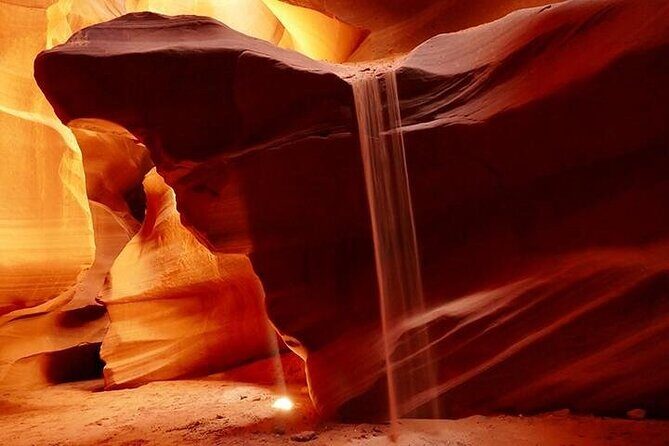
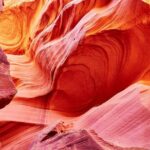
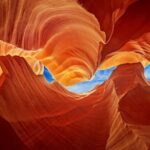
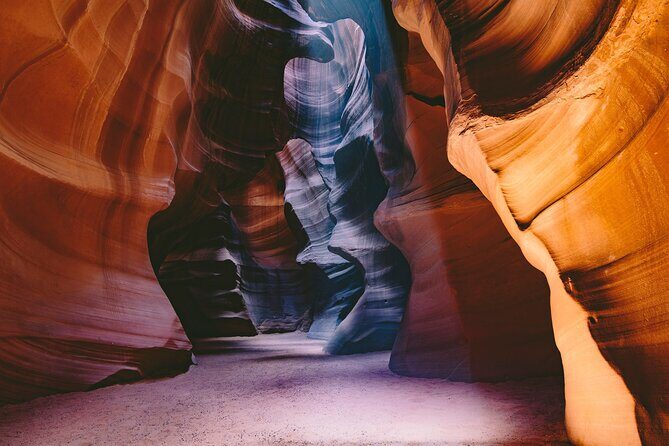
The canyon itself is a walkable corridor cut by time and weather. Flash floods race through narrow cracks in the Navajo sandstone, and that force works with wind erosion over long stretches of time. Then the narrow top opening acts like a skylight. Daylight slips in, hits the inside surfaces, and creates shifting angles and bands of brightness as you move.
This tour is offered in English and runs about 1 hour 30 minutes total. On average, people book roughly 24 days in advance, which is a good sign: you should plan ahead if your calendar is tight.
Other Upper Antelope Canyon we've reviewed at Antelope Canyon & Northern Arizona
The main stop: walking the canyon floor and chasing the light
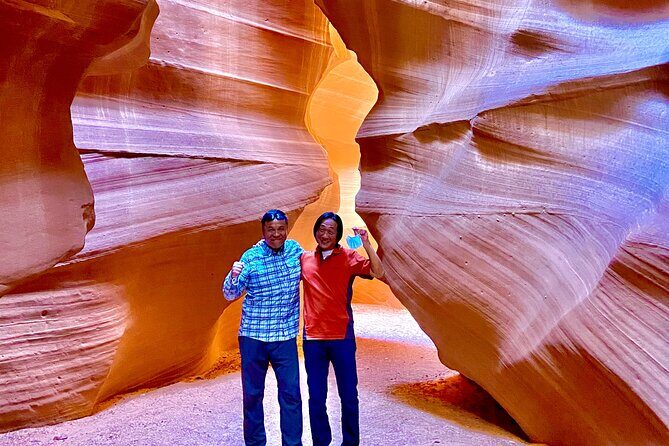
You’ll spend your time at one place: the slot canyon itself, with your guide guiding the group through the best viewing moments. Upper Antelope’s bottom walk is where the photo magic happens. The walls are close enough that you feel the geometry. It’s not a long hike, but it’s not a lazy stroll either, because you’re moving through uneven surfaces and changing elevation.
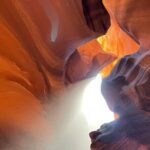
Light is the big character here. The top opening lets in daylight, so the canyon interior is never the same twice. If the sky is clear, you can often see stronger beams and more contrast. If it’s overcast, you still get beauty; the tone changes. Expect softer light and a different mood, not a total loss.
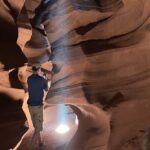
What I love about the guided approach is that you don’t just walk in and hope. The guide stops at multiple points, so you can watch how the canyon’s shapes relate to the light source, not just the final picture. Some guides even time small pauses to help the group catch the angle while the brightness is right.
Photo tip you can use right away: consider a midday slot if you want a better chance of sunlight peeking through. That timing advice comes up again and again because it often lines up with stronger interior light.
The geology, culture, and preservation talk you’ll actually remember
The canyon isn’t just a set for photos. Your guide explains what you’re looking at: sandstone formed through geologic processes, how water and wind shaped the corridor, and why this area is significant for Navajo cultural history and future stewardship.
In practice, this is where the tour stops feeling like a checklist. When your guide connects the rock’s formation to natural forces and the role of the Navajo Nation in protecting the area, you start noticing details you’d miss on your own. You’ll also likely hear passion around preservation—one guide named Sonny is specifically called out for being both knowledgeable and focused on protecting the canyon for the long run.
If you’re a curious person, this part adds real value. If you’re mainly after photos, it still helps because the guide’s explanations often point you toward the exact angles where the canyon’s surfaces catch the light.
Your guide and phone-photo coaching: why the experience feels smoother
A lot of slot canyon tours look similar from the outside. What can make this one different is the photo support and the guide’s teaching style. Several guides are described as excellent at spotting photo opportunities and helping people get results on smartphones, not just cameras.
You might hear guide names like Nathaniel (Nate), Tyrone, Lee, Wyatt, JR, or Mariya, and the through-line is consistent: they tend to explain where to stand, how to aim, and how to adjust settings on your phone. Some guides even help take photos for the group, so you’re not stuck handing your device to strangers who might not get the framing right.
One practical takeaway I’d use: arrive ready to experiment. Your phone is your main tool in a place where tripods are not allowed. That means you’ll rely on steadier hand placement, smart angles, and the guide’s guidance for the lighting.
If you want to bring a friend into the mix (self-portraits, couples shots, family groups), ask the guide during stops. That’s the moment when you’ll get the best chance for a clean photo without rushing.
Timing, check-in, and the “be there early” rule
This tour runs on a schedule and leaves on time. You’re asked to arrive 45 minutes early so there’s time for check-in and locating the correct activity site. The key part isn’t the number; it’s that the canyon walk depends on a smooth, on-time departure.
Late arrivals mean no refund. That’s the kind of rule you want to respect, especially if you’re driving from elsewhere and might hit traffic or need restroom time before check-in.
A simple planning approach: build in buffer time for the drive, parking, and walking to the desk. If you’re traveling from Sedona or another nearby hub, schedule the day so you’re not sprinting at the last minute. The scenery on the drive into Page can be part of your day, so you’ll feel less stressed if you don’t treat this like a mad dash.
Other Tickets & Admission we've reviewed at Antelope Canyon & Northern Arizona

Group size and pace: small enough to feel personal
This is capped at 15 travelers, which matters more than you’d think. Upper Antelope can get tight because you’re moving in a corridor with low maneuvering space. A smaller group keeps it easier for your guide to pause, explain, and reposition people for better light.
The pace is also designed to balance photo time with movement. Some tours rush, but the better experiences keep a natural rhythm: walk a bit, stop for light, get a few photos, listen to the explanation, then move on.
The tour also works best when everyone can follow instructions quickly. That’s one reason you’ll want to listen for the guide’s timing and stay close during stops, especially when the group is waiting for a particular light angle.
What’s included, what costs extra, and how to judge the value
The base price listed is $135.00 per person, and it includes admission to the guided Upper Antelope Canyon tour and local guide service. One important detail: the information provided also references a Navajo Nation permit fee that may appear separately as $15.00 per person in the cost breakdown.
So here’s the value logic you can use: you’re not just buying access to a slot canyon. You’re buying guided entry to a protected site, plus a guide who adds context and photo help, and coverage that’s tied to Navajo Parks & Rec administration and oversight. That kind of “pay for access + pay for interpretation” model is usually why these tours cost more than drive-up lookouts.
Also consider what you’re not paying for. You’ll likely want to budget for gratuities, plus any personal expenses. Tripods and other gear are restricted, so you won’t need to spend on rental equipment, but you should plan to use what you already have (your phone, comfortable shoes, and a light layer).
Gear and rules inside the canyon
The rules are strict, and they’re there for safety and visitor flow. During the guided tour, you can’t bring tripods, monopods, quadcopters, or bags of all kinds. Leave those in your vehicle.
Other rules that affect planning:
- Pets and service animals are not allowed.
- The tour isn’t recommended for people who have trouble navigating stairs.
- You should have moderate physical fitness.
- People who may not be physically capable of completing the required hiking or who are pregnant are not allowed to participate.
- Everyone must be able to walk unassisted on uneven surfaces with elevation changes.
Translation: bring comfortable walking shoes and a calm attitude. This isn’t a “hobble carefully and hope” experience. It’s doable for many people, but it’s not a fit for everyone.
Weather, closures, and how to protect your plans
This is a weather-dependent activity. Adverse weather can cause site closure through Navajo Parks & Rec, and the canyon access can be impacted. If the tour is canceled due to poor weather, you’ll typically be offered a different date or a full refund.
So it’s smart to keep your schedule flexible if you can. If Upper Antelope is a top priority and you only have one day in the area, try to avoid stacking it with other non-refundable commitments that same morning or afternoon.
One more light-weather note: even on an overcast day, the experience can still be amazing. You may just get different lighting and a different feel inside the canyon. The guide’s job is to help you find the best angles with whatever conditions you get.
Should you book Upper Antelope Canyon with this guided ticket?
Book it if you want a classic Page-area bucket list moment, but you also want more than a quick walk-through. The combination of Navajo-guided context and smart phone photo coaching is what turns the slot canyon from pretty to memorable. The small group size helps too, especially in a place where space feels tight.
Skip it (or choose carefully) if your mobility needs more support than this tour’s walking requirements allow. If uneven ground and elevation changes are a problem, or if you don’t feel comfortable with the rules around gear and movement, you’ll likely be happier looking at alternatives.
If you do book, do yourself a favor: aim for a time that gives you a better chance of light beams (midday is a common strategy) and arrive early enough to check in without stress. Then let your guide do the heavy lifting on photo angles and canyon interpretation.
FAQ
Is this Upper Antelope Canyon tour a guided experience?
Yes. This ticket includes admission to a guided Upper Antelope Canyon tour with a local guide during the visit.
How long does the Upper Antelope Canyon guided tour take?
It runs about 1 hour 30 minutes (approximately).
What is the meeting time expectation?
You should arrive 45 minutes prior to your tour time for check-in and locating the activity site. Late arrivals can result in no refund.
What is the group size limit?
This tour/activity has a maximum of 15 travelers.
Are tripods or other camera supports allowed?
No. Tripods, monopods, quadcopters, or bags of all kinds are not permitted during the guided tour. Plan to leave them in your vehicle.
Are pets or service animals allowed?
No. The information provided states that pets or service animals are not allowed.
What if weather causes the tour to be canceled?
The experience requires good weather. If it’s canceled due to poor weather, you’ll be offered a different date or a full refund.