REVIEW · PAGE
Antelope Canyon Prime Time, Glen Canyon, Horseshoe Bend 4 Hours Sightseeing Tour
Book on Viator →Operated by Scenic Bend · Bookable on Viator
Page, Arizona packs in some jaw-dropping stone. This 5-hour tour links Antelope Canyon with Horseshoe Bend plus a Glen Canyon rim stop. I love that you get a professional Navajo guide and the canyon time is ticketed; you also get hotel pickup and water. One possible drawback: the schedule can be tight, and some days involve very early departures or longer walks once you’re outside the canyons.
If you like your big sights with smart guidance, this one fits. It runs with a small group size (up to 14), includes the Navajo permit fee and tax, and keeps the day moving between slot canyon light and the Colorado River viewpoints. I’d just plan for heat, bring the right gear, and keep your expectations realistic about how much ground you cover.
In This Review
- Key things to know before you go
- Why Antelope Canyon Prime Time Works in Page
- Upper vs Lower Antelope Canyon: light, effort, and what you’ll notice
- A season note you should actually care about
- The itinerary flow: how the day keeps its momentum
- Stop 1: Antelope Canyon (Upper or Lower)
- Stop 2: Lower Antelope Canyon
- Stop 3: Antelope Canyon Navajo Tours (Upper Antelope Canyon)
- Stop 4: Horseshoe Bend
- Stop 5: Glen Canyon Dam Overlook
- Horseshoe Bend isn’t just a photo stop
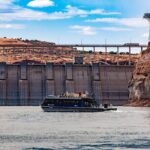
- Glen Canyon Dam Overlook: the short walk with big context
- Price and value: what $240 buys (and where it might feel steep)
- Pickup, timing, and communication you should take seriously
- What to pack and how to prepare (so the day feels good)
- Who this tour fits best
- Should you book this tour?
- FAQ
- How long is the Antelope Canyon Prime Time tour?
- Is pickup offered from Page hotels?
- What canyon tickets are included?
- How does the Upper vs Lower choice affect your experience?
- What should I expect for Horseshoe Bend walking?
- Is there food on the tour?
- Is a car seat required?
Key things to know before you go
- Small group size (max 14): you’re less likely to feel lost or rushed than on huge buses.
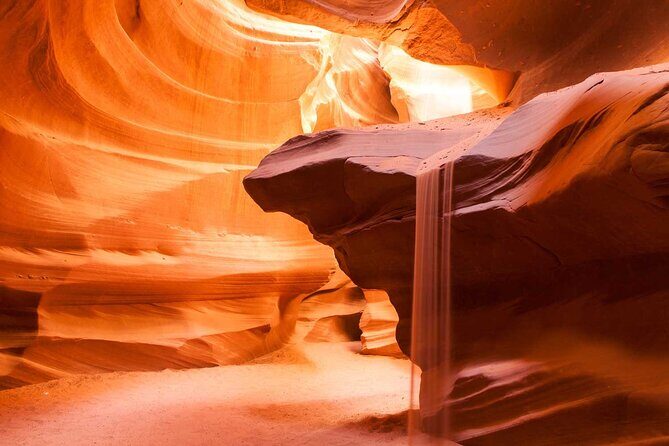
- Navajo-guided slot canyon time: expect formation spotting and photo help, not just walking through.
- Upper vs Lower Canyon choice matters: light can look dramatically different depending on the season and the slot section.
- Horseshoe Bend includes a real hike: the route to the overlook is long enough that shoes and pacing matter.
- Included water and air-conditioned shuttle: a practical touch when the desert sun is doing its thing.
- Guides can shape your photos: names I saw repeatedly include Ryan, Maria, and Dana, and they focus on timing and angles.
Why Antelope Canyon Prime Time Works in Page
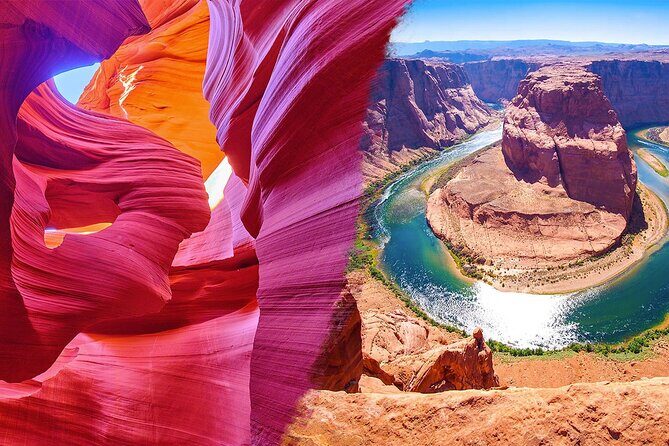
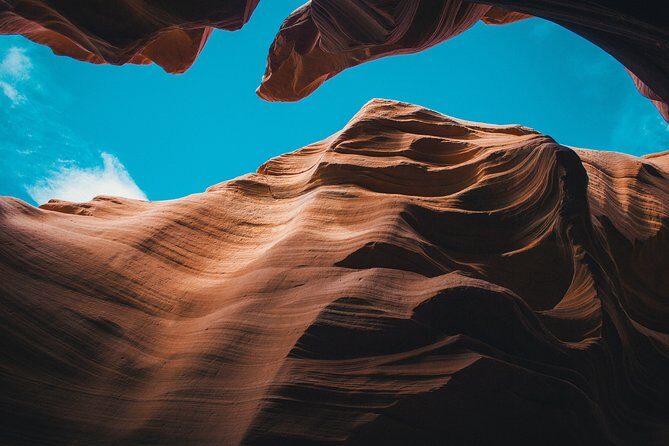
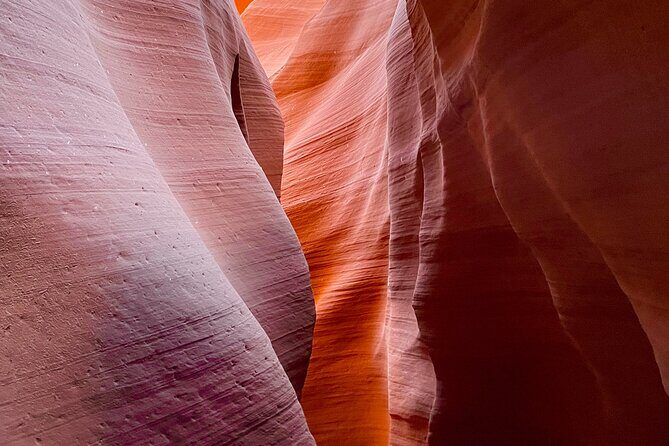
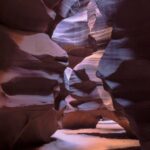
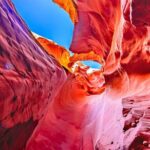
There’s a reason tours like this sell out. Antelope Canyon isn’t just scenic; it’s technical scenery. The sandstone lines, the way light cuts into narrow walls, and the scale of the slot can make photos look flat—unless you know where to stand and when. This tour is built to manage that: you’re guided through canyon sections with tickets included, then you shift gears to Horseshoe Bend for the iconic “horseshoe” curve of the Colorado River.
What I like most is that the day is designed around time in the canyon plus time at the viewpoints, so you aren’t spending hours driving around with uncertainty. You also get a bottle of water, which sounds basic until you’re thinking about heat, walking, and waiting in line for your canyon slot.
The tradeoff is that you’re buying convenience. At $240 per person, it’s not the budget route. You’re paying for the combination of slot canyon admissions, the Navajo permit fee and tax, guided access, and a shuttle that reduces the headaches of driving and parking on your own.
Other Horseshoe Bend we've reviewed at Antelope Canyon & Northern Arizona
Upper vs Lower Antelope Canyon: light, effort, and what you’ll notice
This tour gives you a choice at booking between Upper or Lower Antelope Canyon. In practical terms, that choice affects what you’ll feel when you step into the slot: how “open” or “boxy” the canyon sections look, how sunlight reaches the stone, and how the experience flows with the guide’s directions.
A couple of details help you set expectations:
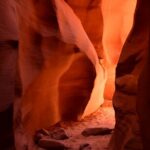
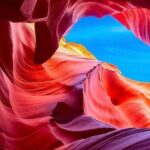
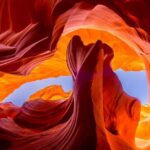
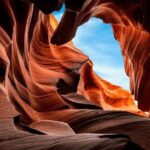
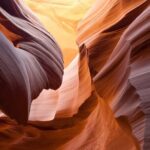
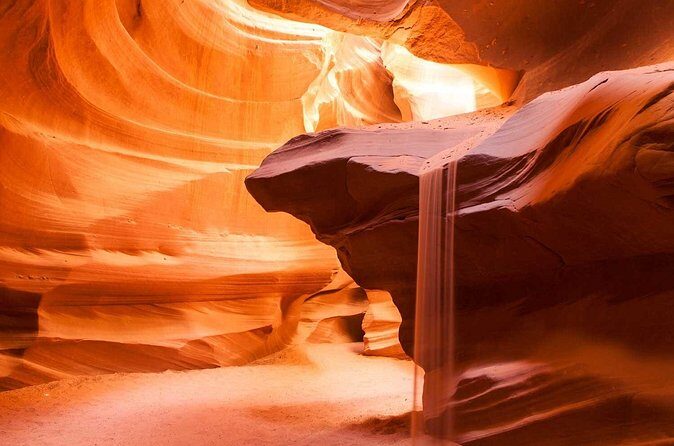
- Upper Antelope is often the most frequently visited because it’s generally at ground level, with no climbing required. It also tends to show beams of direct sunlight more often, especially when the sun is higher in the sky.
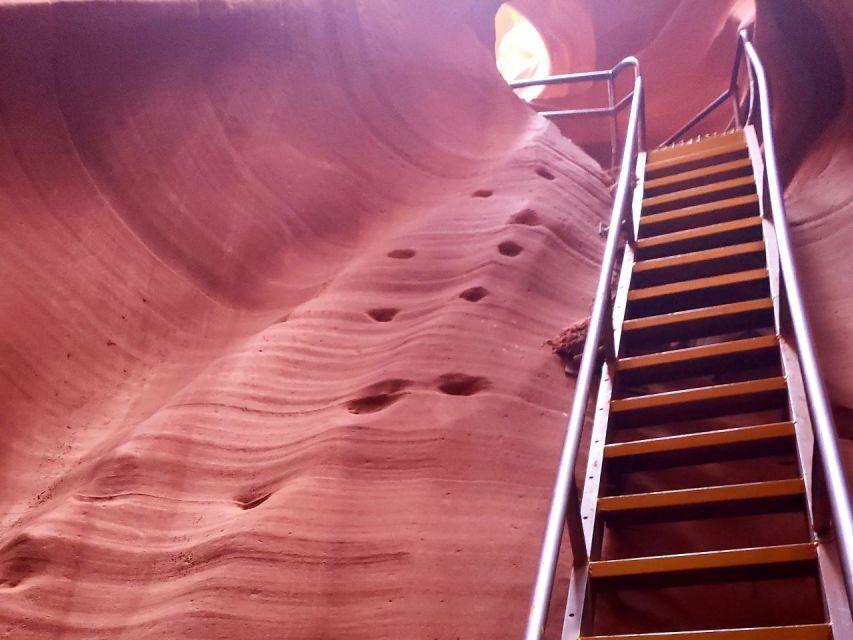
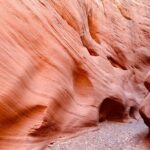
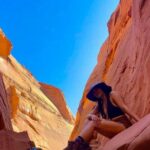
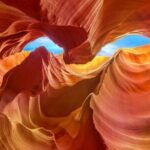
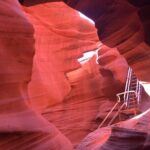
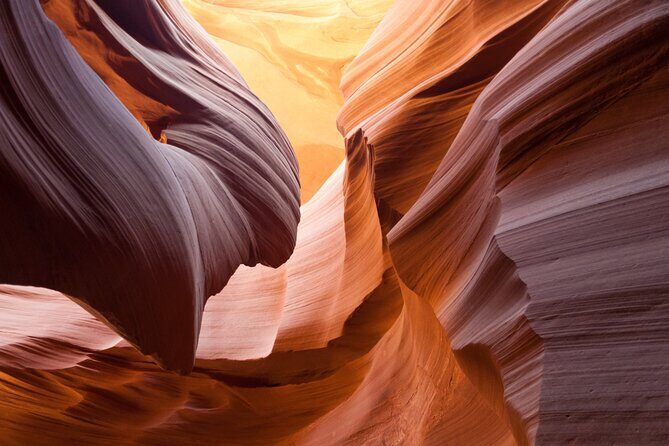
- Lower Antelope has its own visual magic. It’s known for the spiral rock arches, and historically required ladders before metal stairways were installed, so you can expect a more stair-and-walk rhythm than Upper.
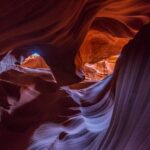
The big photo lesson here comes from the way good guides teach you to read the canyon. In the feedback I saw, guides like Ryan and Dana helped people find specific shapes—things like angel wings, a heart, hummingbird, and even Abraham Lincoln. That’s not magic. It’s pointing you toward the exact angles where your brain starts seeing patterns in the striations.
If your goal is photos that match what you dreamed of (those dramatic beams and “shape moments”), prioritize the canyon option you booked and plan to follow the guide’s standing spots. The difference between a great canyon photo and an average one often comes down to where you pause.
A season note you should actually care about
Beams of light tend to be more common in summer because the sun sits higher. Winter light can still be gorgeous, but you should expect a moodier, more muted color look. If you’re traveling for a specific photo style—bright shafts vs softer tones—your travel month matters.
The itinerary flow: how the day keeps its momentum
You’re looking at about 5 hours total, with multiple timed canyon segments plus two major viewpoints. The format matters because Antelope Canyon is timed-access: when your slot is scheduled, the day can’t easily stretch late without throwing everything off.
Here’s how the routing typically feels once you’re on the move:
Stop 1: Antelope Canyon (Upper or Lower)
You start with your chosen Antelope Canyon option, and you get admission ticket included. This is where your guide’s job is most important. A good guide helps you pace your camera and your body, so you don’t miss the moments when the sunlight hits the walls the way it’s supposed to.
Also, I appreciate that the tour includes the Navajo permit and tax. Those fees are part of why it’s hard to do this casually without booking with a proper operator.
Other Photography Tours we've reviewed at Antelope Canyon & Northern Arizona
Stop 2: Lower Antelope Canyon
Next up is Lower Antelope, with its own one-hour window and included ticket access. Even if you feel like you already “got” the concept at Upper, Lower often changes the texture of the experience. It’s more about the flow of forms and arches, not just the beams.
Practical point: stairways and uneven surfaces can make the day feel more physical than you expect. If you’re the type who needs time to settle into uneven ground, wear comfortable footwear from the start.
Stop 3: Antelope Canyon Navajo Tours (Upper Antelope Canyon)
Then the schedule continues into an additional Upper-focused slot (the program describes Ts bighnln and notes that Upper is most common for visitors because you can walk it at ground level). This is a nice arc: you see two distinct canyon moods, then you shift to Horseshoe Bend while the light is still doing its work.
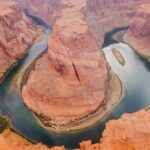
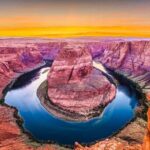
Stop 4: Horseshoe Bend
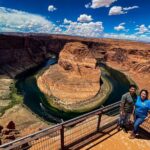
After the canyon time, you head to Horseshoe Bend. The overlook access is described as a hike of about 6 miles one-way with a drop of roughly 1,000 meters to the river below. Even if that feels like a lot on paper, the important thing is this: you should treat Horseshoe Bend as the day’s bigger physical commitment outside the canyons.
You get 45 minutes here, and you’re dealing with sun, glare, and wind off the rim. A hat helps (this came up in the feedback), and sunglasses are honestly a must.
Stop 5: Glen Canyon Dam Overlook
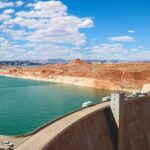
Finally, you wrap at a Glen Canyon Dam viewpoint with a short stair descent from the parking area. The tour describes metal handrails and uneven rock steps, with 30 minutes at the overlook.
This stop is the “quick payoff” segment: you don’t need to be a distance hiker to get something meaningful out of it. The viewpoint looks down over the river and dam system, giving you a broader sense of where the Colorado has carved all this.
Horseshoe Bend isn’t just a photo stop
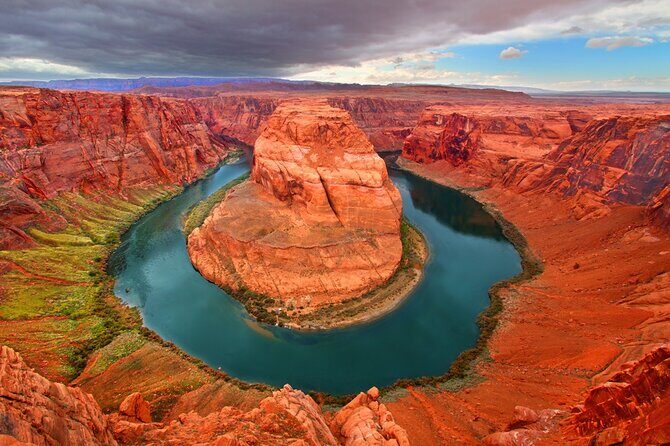
Horseshoe Bend is one of those places that looks exactly like the postcard only if you’re standing in the right spot. The tour’s value is that you aren’t figuring it out cold after a canyon-heavy morning.
But you should plan it like a hike, not a stroll. The walking time you’re given is long enough that shoes and pacing matter more than your appetite for sightseeing. If you’re going during hot months, the sun hits hard, and shade is limited near the viewpoint.
In the reviews I saw, the people happiest with the day treated the hike seriously. They wore the right gear, took water seriously, and weren’t surprised that canyon beauty doesn’t come with a “sit down and relax” recovery period. That’s also why the tour includes water at the start. Use it.
If you’re traveling with anyone who has mobility limits, make sure you’re honest about your group’s stamina before booking. This tour says most travelers can participate, but “can” and “comfortable” aren’t the same thing.
Glen Canyon Dam Overlook: the short walk with big context
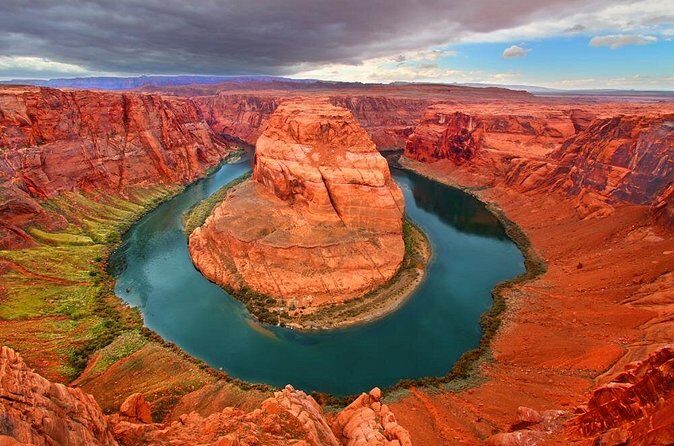
The Glen Canyon Dam viewpoint is easy to undervalue because it’s shorter than the Horseshoe Bend hike. Don’t. It gives you a different layer of perspective: you move from narrow slot canyon geometry to a wider river-and-dam scale.
The walk here is described as a short descent down rock-carved stairs with a metal handrail. That detail matters. If you’re steady on your feet, it’s a straightforward add-on that pays out quickly with expansive views.
If your group is a mix—some people love long photo walks, others want a win without suffering—this stop is a good balancing act.
Price and value: what $240 buys (and where it might feel steep)
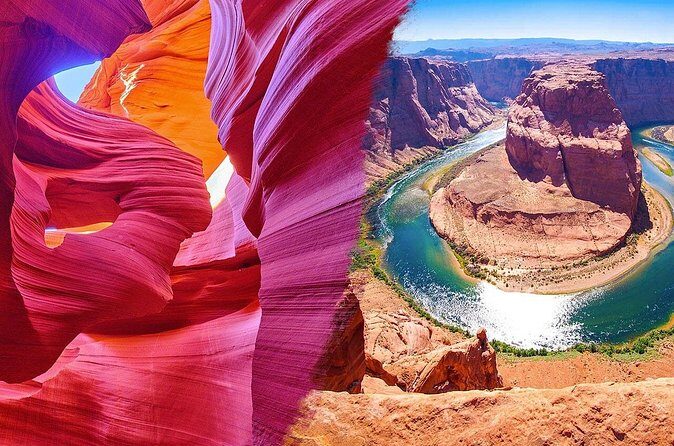
Let’s talk money plainly. At $240 per person, you’re paying for a packaged “three-hit” day: Antelope Canyon access (Upper or Lower), additional canyon time in the program flow, Horseshoe Bend, and the Glen Canyon Dam overlook. You’re also paying for Navajo Nation permit fee and tax, a professional Navajo guide, and pickup with an air-conditioned shuttle from Page hotels.
That’s the value side: permits and guided access aren’t cheap, and slot canyon tickets are constrained. Antelope Canyon is hugely in-demand, and timing matters. This tour is built around that reality.
On the drawback side, the bundled approach won’t feel like a bargain if you’re the kind of traveler who prefers to DIY each stop. Some feedback I saw called out that they felt the value wasn’t better than booking separately. I get it. If you’re comfortable driving yourself and you can line up tickets on your own schedule, you might save money.
So how do you decide? Ask yourself one question: do you want your day optimized by someone else, with less uncertainty and fewer moving pieces? If yes, the price starts to make sense. If no, you’re probably better suited to booking canyon access and viewpoints independently.
Pickup, timing, and communication you should take seriously
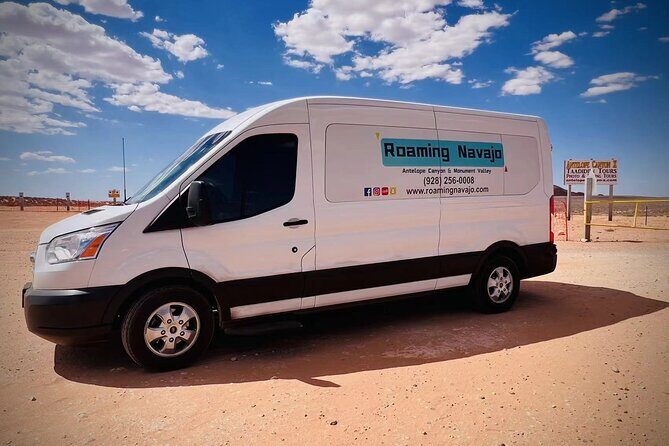
This tour uses a meeting point at Safeway, 650 Elm St, Page, AZ 86040, and it offers pickup from Page-area hotels via an air-conditioned shuttle. The instruction is clear: arrive about 5 minutes early, and contact the tour guide the day before departure to double-check pickup information.
A few specific friction points showed up in the feedback patterns:
- Some people reported long waits before boarding even with a reservation time.
- Others mentioned communication being unclear about when they’d return for the next leg.
- A couple of unhappy experiences described cancellation and schedule mix-ups tied to third-party booking messaging.
I’m not saying this to scare you. I’m saying it because it affects what you should do. If you book, do the day-before confirmation. Plan to be flexible. And if you’re traveling in a group, keep everyone’s expectations aligned about timing.
Also note: some departures can be very early. One review mentioned leaving around 4 a.m. If you hate early starts, adjust your expectations or choose a later slot if the schedule gives you that option.
What to pack and how to prepare (so the day feels good)
This is a canyon-and-rim day, which means it’s part walking, part standing in sun, and part camera work in changing light. Here’s what I’d pack based on what the tour data and guide-focused feedback point to:
- Hat: heat control at Horseshoe Bend is real, and it came up directly in the guidance.
- Comfortable walking shoes: the day includes canyon footwork and a hike to the overlook, plus stair steps at Glen Canyon.
- Sunscreen and sunglasses: glare off canyon walls and the river rim is intense.
- Water strategy: the tour includes a bottle of water. Use it early rather than treating it as a “later” item.
- Car seat planning: if you need a car seat, the Upper Antelope Canyon option has mandatory requirements. The tour mentions a car seat rental at $10 per piece or the option to bring your own.
One small but important detail: tips are suggested at $10 per person. If you want to keep the math simple, budget that from the start.
Who this tour fits best
This tour tends to work best for:
- Photo lovers who want guidance for angles, timing, and formation spotting
- People who don’t want to manage permits, shuttle logistics, and timing across multiple stops
- Families and couples who want a guided, small-group day (max 14) with a professional Navajo guide
It might be less ideal for you if:
- You strongly prefer self-driving and independent pacing
- You get stressed by early departures or long waits
- Your group struggles with hike-style outings, especially the Horseshoe Bend portion described as a long walk
Should you book this tour?
Book it if you want a guided Antelope Canyon day with less planning friction, plus an organized run to Horseshoe Bend and a dam rim viewpoint. The combination of canyon time, professional Navajo guiding, and help spotting photo-worthy shapes is the main reason people feel the day is worth it. I’d especially consider it if you’re traveling during peak season when tickets and timing are harder to manage on your own.
Consider alternatives or DIY planning if you’re price-sensitive and you’re comfortable stitching together canyon tickets, permits, and transport by yourself. This isn’t a cheap sampler where you can “test the waters.” At $240, you’re buying convenience and structured access.
FAQ
How long is the Antelope Canyon Prime Time tour?
The tour is listed at about 5 hours.
Is pickup offered from Page hotels?
Yes, pickup is offered from Page’s hotel area via an air-conditioned shuttle bus. If your hotel doesn’t offer pickup, the tour notes specific locations that won’t be included.
What canyon tickets are included?
Admission tickets are included for the Antelope Canyon segments in the program (Upper or Lower based on your selected option) and for the Lower canyon portion. Navajo Nation permit fee and tax are also included.
How does the Upper vs Lower choice affect your experience?
Your booking selection determines whether you visit Upper or Lower Antelope Canyon as the first canyon stop. The tour describes Upper as more frequently visited and generally at ground level, while Lower has its own distinct slot canyon experience.
What should I expect for Horseshoe Bend walking?
The tour describes a hike of about 6 miles one-way to the overlook, with a drop of about 1,000 meters. Plan for a substantial walk and sun exposure.
Is there food on the tour?
The information provided includes a bottle of water, but it does not mention meals.
Is a car seat required?
For the Upper Antelope Canyon mandatory requirements, the tour notes car seat rental is available for $10 per piece or you can bring your own.
If you want, tell me your travel month and whether your group includes anyone who’s not great with long walks. I can help you pick Upper vs Lower and set realistic expectations for the heat and pacing.