REVIEW · PAGE
Upper or Lower Antelope Canyon & Horseshoe Bend Tour from Page
Book on Viator →Operated by Scenic Bend · Bookable on Viator
Slot canyons and a river bend—packed.
This tour is interesting because it pairs Antelope Canyon light-and-shadow magic with the massive Colorado River viewpoint at Horseshoe Bend, plus the Glen Canyon Dam overlook, all in about a half day. I like the guided angle with Navajo interpretive stories and geology talk (and photo coaching you can actually use), and I also like that the group size stays small (max 14) with a comfortable air-conditioned shuttle. One drawback to plan for: it’s weather- and timing-dependent, and if your day runs behind or capacity changes, your canyon entry time can shift by about 30 minutes.
A big plus here is that the guidance often feels personal. People mention guides like Hunter, Ryan, Wyatt, Jay, Dana, Sonny, and Jessica helping with pacing, iPhone photos, and Navajo culture history—things that make the photos better and the visit less rushed. The second reality check: you’ll want to pack smart, bring water, and plan on some walking at Horseshoe Bend.
In This Review
- Key things to know before you go
- The big picture: why this Page tour works
- Antelope Canyon: Upper Ts bighnln or Lower Hazdistazí
- Upper Antelope Canyon (Ts bighnln): beams, ground-level access, and seasonal light
- Lower Antelope Canyon (Hazdistazí): spiral rock arches and metal stairways
- How the guide changes the visit
- The Horseshoe Bend overlook: the 0.6-mile walk and the 1,000-meter drop
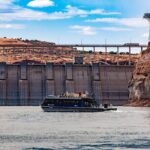
- Glen Canyon Dam Overlook: short walk, big river-and-dam view
- Price and what makes $230 feel fair (or not)
- Small group energy and the guide factor
- Timing, weather, and how to avoid a stressful day
- The practical checklist I’d use for this tour
- Who this tour is best for
- Should you book this tour?
Key things to know before you go
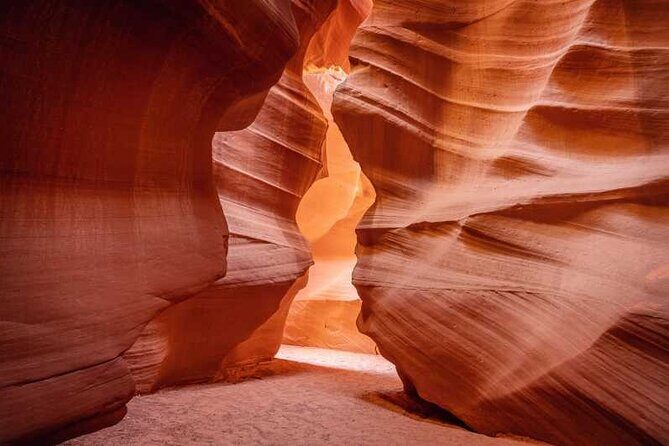
- Navajo-guided canyon time: You get a professional Navajo guide, plus the Navajo permit fee/tax is included.
- Upper vs Lower canyon effects: Upper is easier to access at ground level; Lower uses metal stairs and delivers spiral arch views.
- Light timing matters: Upper beams are usually stronger in summer when the sun is high; winter light tends to be more muted.
- Horseshoe Bend is a walk, not just a stop: About 0.6 miles one-way to the overlook, with a steep viewpoint above the Colorado River.
- Photo help is a real feature: Multiple guides are praised for phone-camera coaching and pacing between other groups.
- Glen Canyon Dam overlook adds a quick payoff: You’ll get additional river-and-dam views without a long extra hike.
The big picture: why this Page tour works
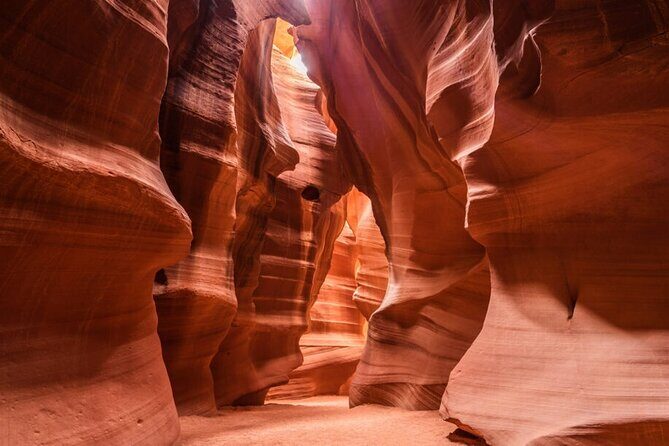
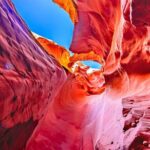
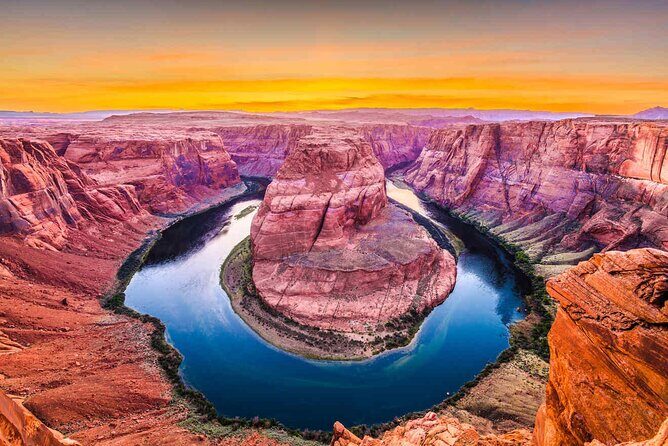
If you only have part of a day around Page, this tour gives you three classic viewpoints without the hassle of stitching everything together. Antelope Canyon is the main event—slot canyon walls that catch light and turn it into those famous moving beams and swirling textures. Then you finish at Horseshoe Bend for the dramatic U-shape cut into the Colorado River, where you get that 3,280-foot (1,000 meter) sense of height. The Glen Canyon Dam overlook is the icing: more river scenery and a look at the dam itself.
What I like about this format is that it’s structured. You’re not guessing where to stand, or which entrance will give you the best chance of good light. The guide helps you time your photos and keeps the canyon experience from turning into a mad dash through crowded corridors.
Other Lower Antelope Canyon we've reviewed at Antelope Canyon & Northern Arizona
Antelope Canyon: Upper Ts bighnln or Lower Hazdistazí
Antelope Canyon is really two different experiences, and your choice affects both access and what you see.
Upper Antelope Canyon (Ts bighnln): beams, ground-level access, and seasonal light
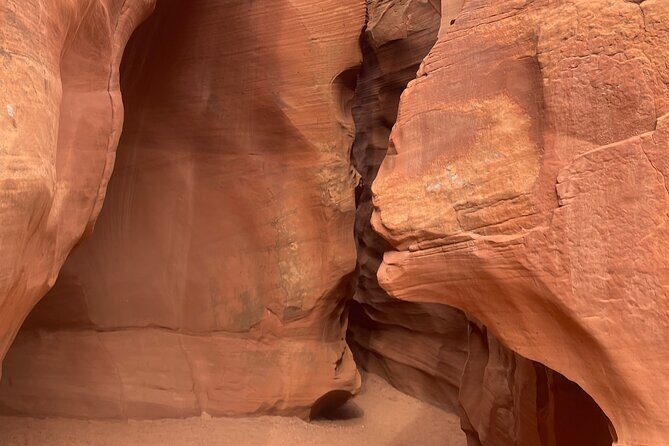
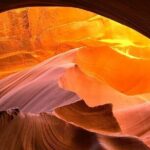
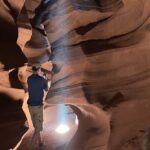
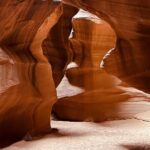
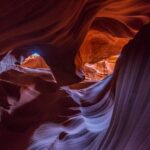
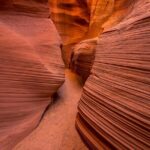
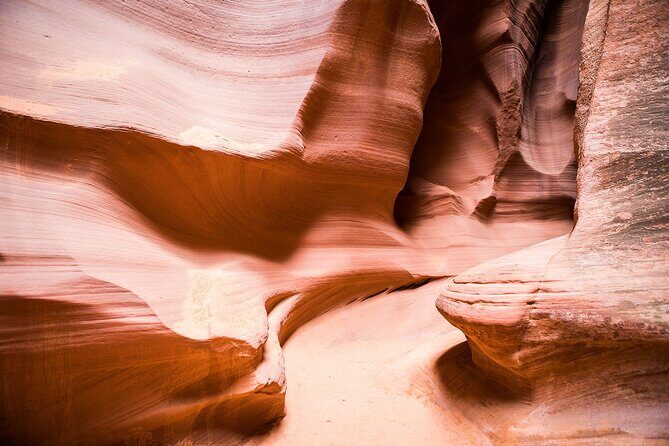
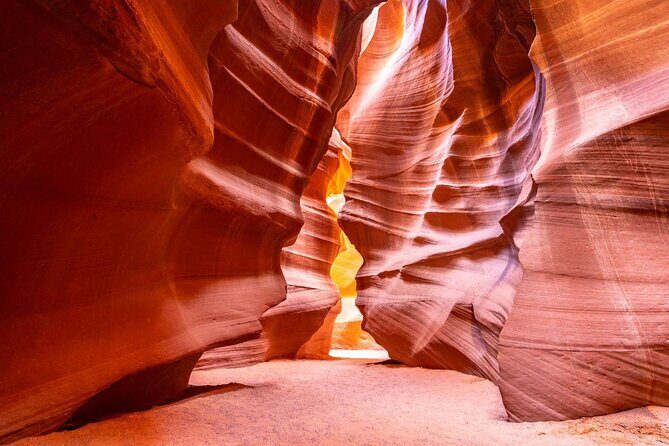
Upper Antelope Canyon is called Ts bighnln, meaning the place where water runs through rocks. It’s the one most tourists gravitate toward because you don’t need climbing to enter and move through it—much of the route is at ground level.
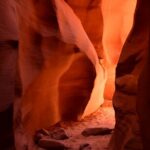
The classic reason people love Upper is the light. Direct sunlight streams down from openings near the top of the canyon, creating those beam effects. Summer tends to produce more frequent and noticeable beams because the sun sits higher in the sky. In winter, the canyon can still look great, but the color and beam intensity often feels more subtle.
Lower Antelope Canyon (Hazdistazí): spiral rock arches and metal stairways
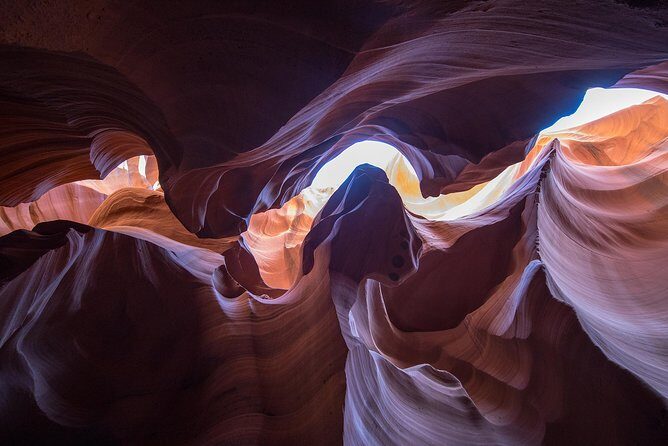
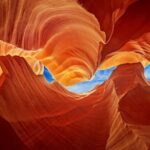
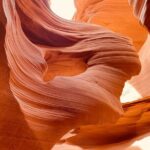
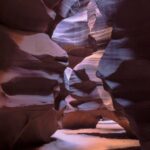
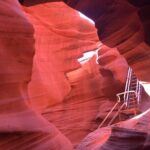
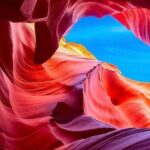
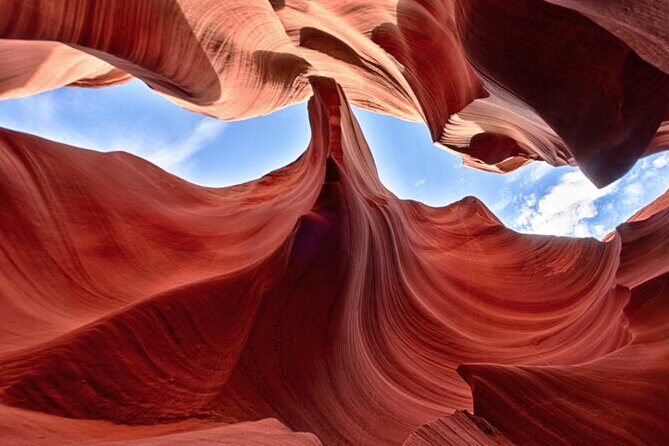
Lower Antelope Canyon is called Hazdistazí, often described as spiral rock arches. Here, you’ll use metal stairways during the visit. That’s a modern convenience—before metal stairways were installed, you needed to climb ladders in some sections.
Lower’s payoff is a sense of shape and flow: the canyon feels more sculpted, with dramatic curves that make photos look like they’re showing motion, even when you’re standing still. It’s also a great option if you like the idea of seeing the canyon through a more structured stair-step route.
How the guide changes the visit
In the best-case scenario, your guide doesn’t just point out sights; they help you make better pictures. People specifically called out guide behavior like:
- taking time with small groups so you can get photos without constant shoulder-to-shoulder pressure
- teaching phone-photo angles in a way that’s easy to copy right away
- sharing Navajo culture stories and history alongside the geology
Guides named in guest feedback include Dana (helpful photo tips in Upper), Jay (great photo guidance), Wyatt (friendly, engaging Upper Canyon guide), and Naris (Lower Canyon guide). Even when weather or crowds are tricky, good pacing makes a real difference.
Other Horseshoe Bend we've reviewed at Antelope Canyon & Northern Arizona
The Horseshoe Bend overlook: the 0.6-mile walk and the 1,000-meter drop
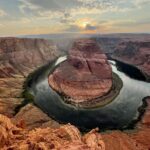
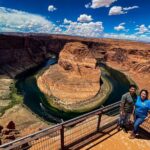
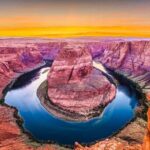
After the canyon, you’ll head to Horseshoe Bend. This viewpoint is the reason so many people put Page on their Arizona list: the Colorado River bends into a sharp horseshoe shape, cut deep into the canyon walls. The overlook sits about 1,000 meters above the river (that’s the big “wow” vertical feeling).
Practical detail: the hike to the overlook is about 0.6 miles one-way. You’re not doing a long trek, but it’s not a flat sidewalk either. Plan on steady walking and time for photos at the railings and viewpoints.
Also, bring a realistic mindset. The canyon can feel like a protected photo tunnel, but Horseshoe Bend is exposed. It can get windy, hot, or sun-blasting. One guest advice that’s easy to take seriously: drink water before you go, and consider bringing extra even if you’re traveling with a small bottle provided.
Glen Canyon Dam Overlook: short walk, big river-and-dam view
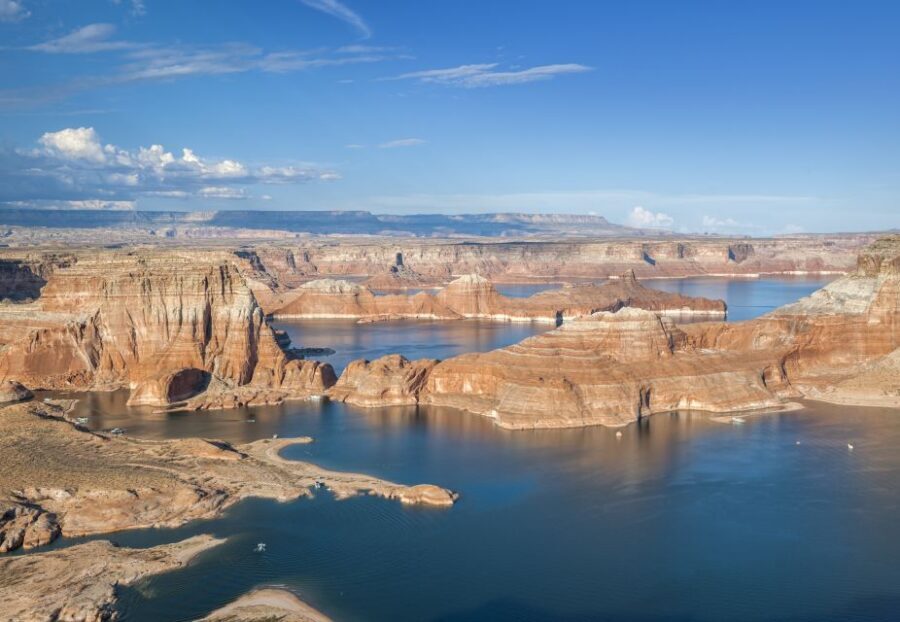
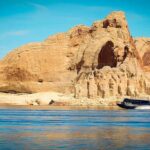
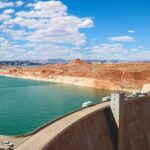
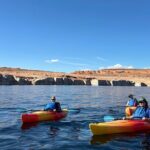
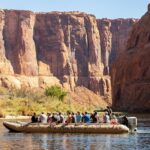
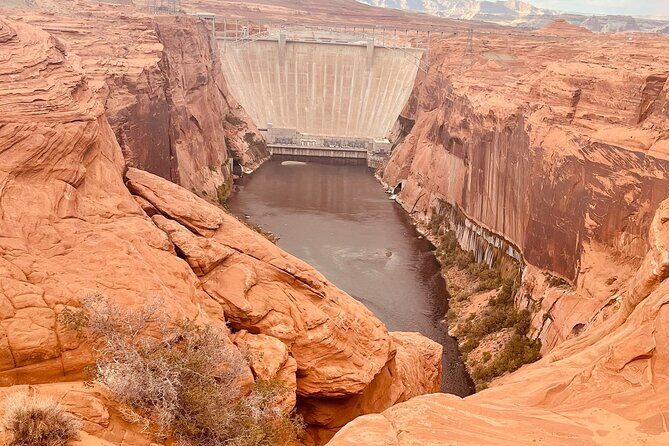
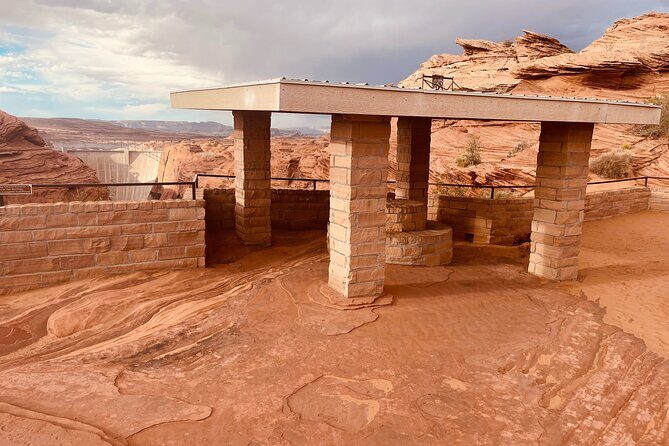
To finish, you’ll stop at the Glen Canyon Dam Overlook above the Colorado River. This is a bonus stop that adds extra context: you can see how the river moves through Glen Canyon and how the dam changes the scenery.
You’re looking at about 30 minutes here. From the parking area, you follow metal handrails down uneven rock steps to the viewing area. That’s usually quick, but it’s still uneven ground—so it helps to wear shoes you trust.
The value of this stop is simple: if you’re the type of traveler who likes understanding where the river goes, the dam overlook gives you the “why” behind the river views.
Price and what makes $230 feel fair (or not)
At $230 per person, you’re paying for more than admission. You’re paying for:
- canyon tickets tied to your selected canyon option
- the Navajo National permit fee and tax
- a professional Navajo guide
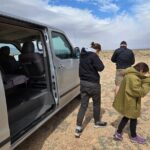
- an air-conditioned shuttle pickup from Page (a 15-seater van)
- and a bottle of water
That matters because Antelope Canyon access isn’t just a casual walk-up. Permits and timed entry are part of the experience, and those costs are usually built into tour pricing. Also, a guided visit can save you from common mistakes—like showing up unprepared for how timing and crowd flow affect your photos.
That said, several reviews show one recurring risk: mismatch between what some listings imply and what you actually get on the day. One key rule shown in the booking guidance is that you typically choose either Upper or Lower, not both. So if your trip depends on seeing both canyon styles, double-check what’s included in your exact ticket selection before you arrive.
If you’re the type of traveler who wants maximum certainty, here’s my advice: treat the canyon choice as the main decision, and view Horseshoe Bend plus Glen Dam as a strong add-on rather than the core value.
Small group energy and the guide factor
A huge share of what people love most is the guide experience. Names that came up repeatedly include Hunter, Ryan, Wyatt, Jay, Dana, Sonny, Jessica, Leander, Kyran, and Naris. The consistent theme isn’t just friendly personality—it’s practical help.
Some of the most praised guide behaviors:
- photo pacing that keeps your group from getting swallowed by the crowd
- phone-camera tips (yes, iPhone camera help came up more than once)
- stories that connect geology and Navajo culture, not just dates and facts
- taking their time at the best sections so you don’t feel rushed
If you get a guide who works like that, the tour feels like a guided photography session with a cultural layer. If you get a guide who’s more hands-off, the canyon will still be stunning—but you may feel like you could have done more on your own.
Timing, weather, and how to avoid a stressful day
This tour runs about 4 to 5 hours. It’s a half-day plan, which is great when you’re trying to pack Page into a road trip.
But two things can affect your schedule:
- Canyon entry time can be adjusted in advance or delayed by up to about 30 minutes depending on daily capacity.
- The experience requires good weather. If conditions don’t cooperate, you’ll be offered a different date or a full refund.
Here’s the calm way to plan around that: build the rest of your day with breathing room. Don’t schedule something tight immediately after the tour.
The practical checklist I’d use for this tour
You’ll get a bottle of water, but I’d still plan for a hot or windy Horseshoe Bend. Bring what keeps you comfortable, especially if you’re sensitive to sun and heat.
Also think about what you carry. At Antelope Canyon, you may be constrained by on-site rules for bags and what you can bring in. Even if your goal is just photos, keep your load light so you’re not fumbling with straps and zippers at the canyon entrances.
For photos:
- your phone will work, but bring a way to keep it stable (a small grip or steady stance helps)
- expect lots of bright light at Upper, so your screen brightness and exposure can make a difference
- wear shoes you’re comfortable walking in down to overlook areas and along uneven steps
And if you’re traveling with family or kids, check whether a car seat is required for your situation. There’s mention of a $10 rental option or the option to bring your own car seat.
Who this tour is best for
This works especially well if you:
- want a structured half-day from Page with minimal planning
- care about better photos and want photo coaching
- appreciate Navajo guides who share culture and geology together
- prefer a small group experience (max 14)
It’s also a strong option if you’re road-tripping and want a classic set of stops—canyon, river bend, and dam overlook—without driving between them yourself.
If you’re the ultra-independent type who likes total freedom and doesn’t care about guidance, you might feel the cost differently. But if you value time saved, permit access, and better photo pacing, the guided approach often justifies the price.
Should you book this tour?
If your main priority is seeing Antelope Canyon and Horseshoe Bend with a guide who helps with timing and photos, I’d say yes—this is one of the more efficient ways to do the Page highlights in a half day.
Book it with confidence if:
- you’re choosing either Upper or Lower knowingly (based on the canyon light and access you want)
- you want guided Navajo storytelling plus photo support from people like Hunter, Ryan, Wyatt, Jay, Dana, Sonny, or Jessica
- you’re okay with a schedule that can shift by about 30 minutes and is weather-dependent
Think twice if you:
- specifically need to guarantee both Upper and Lower on the same trip (the booking guidance shown indicates only one canyon option is typically allowed)
- hate any chance of schedule changes and want total control over timing
For most people, though, the combination of canyon drama, Horseshoe Bend height, and the Glen Dam view—run with a small group and a Navajo guide—makes this a solid, practical pick for Page.