REVIEW · PAGE
Private Canyoneering Adventure Near Lake Powell
Book on Viator →Operated by Sundial Guides- Bryce Canyon · Bookable on Viator
Rappels in a slot canyon feel surprisingly approachable. I like that this trip in the Page / Lake Powell area is beginner friendly, yet still gives you real technique during three controlled rappels. I also like the human touch: your guide walks you through what to do, sets you up for safety, and even captures photos as you move through the canyon.
One thing to think about: this adventure depends on good weather, and you’re responsible for getting yourself to the meeting point since private transportation isn’t included.
In This Review
- Key Highlights You’ll Care About
- Why Wahweap Creek Canyoneering Works for First Timers
- Meet in Big Water: How the Morning Usually Starts
- Gear Up at the Parking Area: What’s Included (and Why It’s a Big Value)
- The Short Walk-In to the Canyon Entrance
- Three Rappels: Technique, Safety Belays, and What You’ll Do on Each One
- Exiting the Canyon: Sandstone Slab Scramble and the Hike Back
- Price and Value: Is $195 Worth a 3-Hour Private Canyoneering Trip?
- Who Should Book This Canyoneering Adventure Near Lake Powell?
- Weather and Pacing: What Can Change on the Day
- Should You Book? My Straight Answer for Most Visitors
- FAQ
- How long is the private canyoneering adventure?
- Where does the tour start?
- What time does it start?
- How much does it cost?
- Is the tour private?
- How many rappels are in the canyon?
- What gear is included?
- What isn’t included in the price?
- Does the guide take photos?
- What happens if the weather is poor?
- What is the cancellation policy?
Key Highlights You’ll Care About
- A true first-timer canyon: designed for people who want a fun challenge without a scary learning curve
- Technique coaching for each drop: your guide covers how-to and uses constant safety systems
- Three rappels in one outing: a short, satisfying dose of vertical work
- Your guide takes the photos: you don’t need to wrestle a camera while hanging in a harness
- Begin-in-the-slot, not far from your car: short walk to the entrance keeps the day focused
- Finish with a hike and scramble: the exit includes a sandstone slab scramble before you’re back on trail
Why Wahweap Creek Canyoneering Works for First Timers
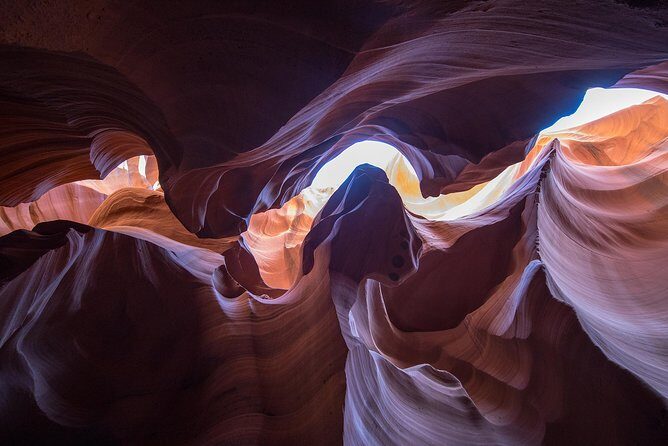
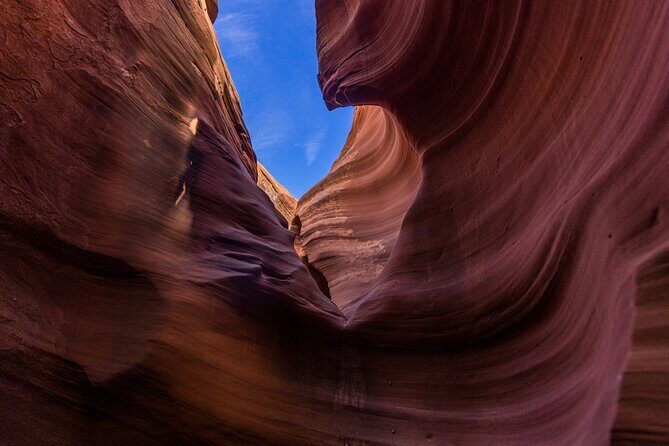
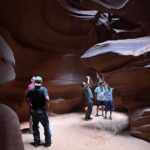
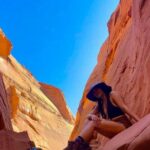
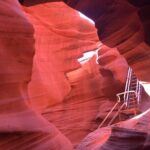
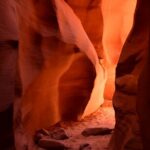
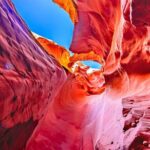
If you’ve ever looked at slot canyons around Page and wondered, Can I really do that?, this is the kind of experience built to answer yes. The canyon you’ll explore is described as one of the most beautiful and accessible in the Page/Lake Powell area, and the route ends at Wahweap creek. That matters because you’re not just chasing views from far away. You’re in the canyon walls where the whole place feels close and physical.
What makes it feel approachable is how structured the safety and instruction are. You gear up first, then your guide leads you into the canyon with a focus on technique right away. During the rappels, you’re not left to guess. You get guidance on how to descend and how to move through the technical parts, plus a backup belay system to keep things secure at every step.
And yes, you’ll do actual drops. But the plan is paced so you’re learning while you’re doing. That’s a big deal for first-time canyoneers and for families with older kids, because the experience is active, not just scenic.
Other Lake Powell Tours we've reviewed at Antelope Canyon & Northern Arizona
Meet in Big Water: How the Morning Usually Starts
This tour starts at 8:00 am in Big Water, Utah, and it ends back at the same meeting point. The exact spot is shown in your mobile ticket, so once you book, treat that ticket as your source of truth for where to park and meet your guide.
Timing is also worth planning carefully. The tour information notes that all tours begin in Utah time, and Arizona is an hour behind during daylight savings time only. So if you’re coming from the Phoenix side or just across the state line, double-check your clocks. That one-hour difference has ruined more than one road trip day.
The whole experience is listed at about 3 hours total, with an estimate of 3–4 hours car to car. That gives you a clear expectation: this isn’t a half-day with long waits. It’s a solid chunk of guided action, with enough time to feel like you got your money’s worth without eating the entire day.
Gear Up at the Parking Area: What’s Included (and Why It’s a Big Value)
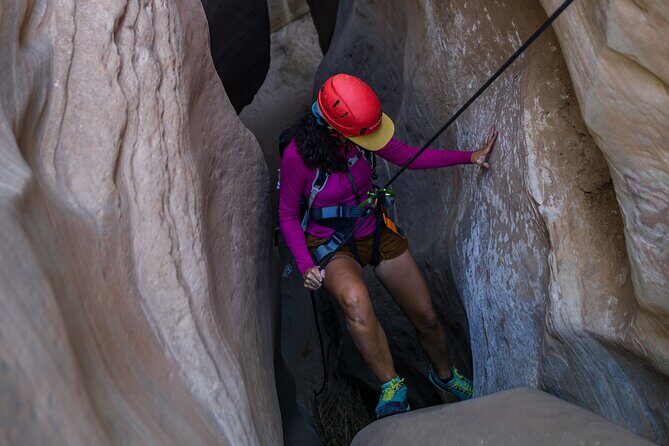
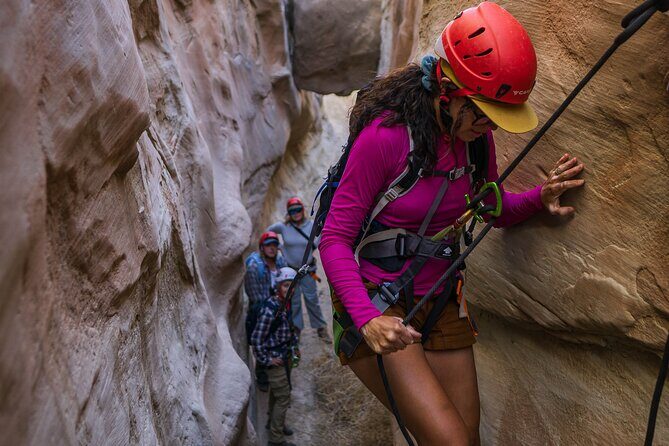
Before you step into the canyon, you’ll gear up at the parking area. You’ll be fitted with helmets and harnesses, and you’ll use the ropes and descending gear your guide provides. The listed included equipment is helmets, harnesses, ropes, carabiner, and a descending device.
This matters more than it sounds. For canyon rappels, having the right gear set correctly is half the safety story. By providing everything you need, the tour removes one of the most stressful parts of trying canyoning for the first time: worrying whether you brought the right equipment, or whether it was suitable for the route.
It also means you can show up and focus on the only things you should be focusing on—listening, learning technique, and moving with confidence. If you’ve done outdoor activities where you bring your own gear and spend the first hour troubleshooting straps, you’ll appreciate the simplicity here.
And you’ll get the setup with your guide right there, so you’re not guessing how it all connects. That’s especially helpful if you’re going with tweens or first-time riders who need a clear, hands-on explanation.
The Short Walk-In to the Canyon Entrance
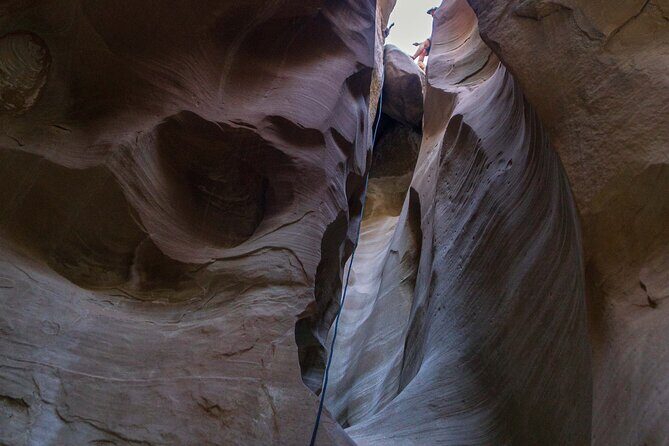
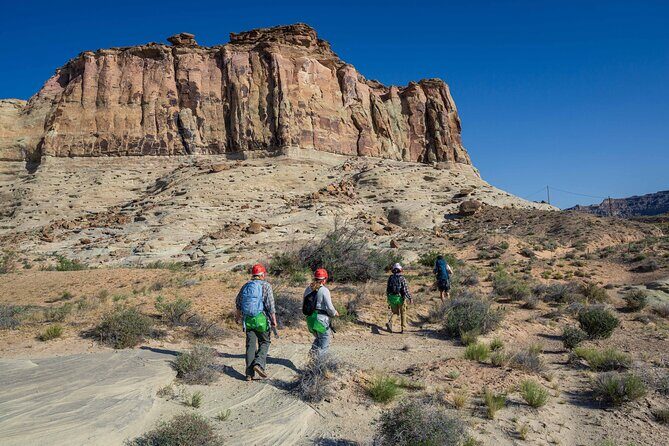
After gearing up, the guide leads you to the entrance of the canyon with a short walk. This is a smart design for a half-accurate travel day: you don’t spend the morning hiking to get to the fun part. You get to the slot canyon, gear up process is finished, and the attention can shift to technique and movement.
Once inside, the guide’s job becomes very practical. You’ll hike and maybe scramble to reach the first rappel. That “maybe scramble” line is the honest part—this isn’t a theme-park path where you can stay entirely flat-footed. But the tour is described as beginner friendly, and the instruction style is meant to help you handle the required scrambling without turning the experience into a stress test.
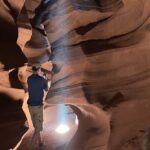
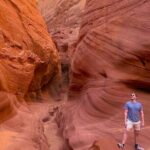
Expect the canyon walls to make everything feel more intimate. Slot canyons compress space. Your footing, your handholds, and the rhythm of your body become part of the route. If you like hands-on nature—using your body, not just photographing it—this section is where the day clicks.
Three Rappels: Technique, Safety Belays, and What You’ll Do on Each One
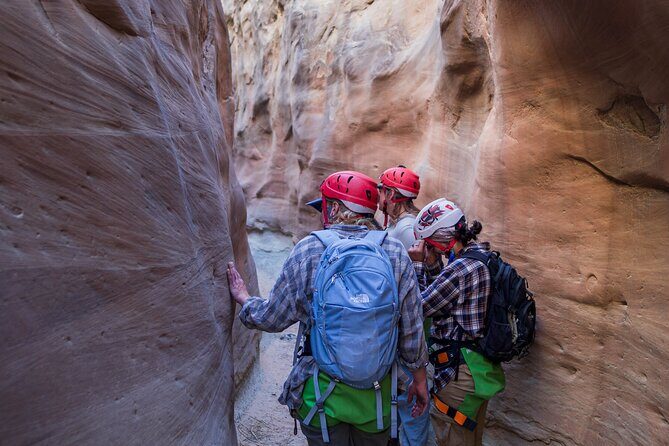
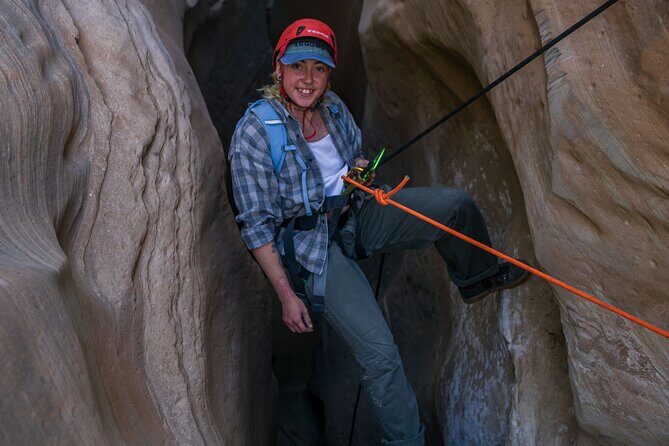
This is the heart of the trip: three rappels in the canyon. Your guide demonstrates technique, explains how-to, and keeps a backup belay system in place so you’re never left to manage safety on your own.
That “backup belay” detail is one of the best signals that the guide team takes first-timers seriously. In real-world canyoning, comfort and confidence come from knowing you’re protected while you learn. You’ll still need to pay attention and follow instructions, but you’re doing it under a safety setup designed to prevent mistakes from becoming problems.
Your guide will lead you to the first rappel after a hike and brief scramble. From there, you’ll repeat the pattern: descend, reset, and move onward through the canyon. Between rappels, you’ll keep hiking, enjoying the canyon walls as you go. It’s not just “drop, drop, drop.” It’s a flow of movement with breaks where you can take instruction, adjust, and keep going.
Also note the photos. Your guide captures photos as you enjoy the adventure. That’s great for two reasons: you get keepsakes from a part of the day where it’s hard to take photos yourself, and it reduces the pressure to perform for your camera instead of performing for the rappel.
Other Private & Luxury Tours we've reviewed at Antelope Canyon & Northern Arizona
Exiting the Canyon: Sandstone Slab Scramble and the Hike Back
At the end of the slot canyon, you’ll scramble up a sandstone slab and then hike back to the main trailhead. This is a different kind of effort than rappelling. You’re shifting from vertical control to climbing and balance, using your footing and body strength to get up the slab safely.
The route is described as accessible, and the scramble is part of that overall design. Still, treat it as real physical movement. You’ll want stable footing and a calm pace, especially if you’re traveling with kids. The good news is that after the technical rappels, your muscles already have momentum. You’re finishing the day with an active exit, not a long, slow slog.
Once you’re back on the main trailhead, the tour ends back at the meeting point. That loop matters because it means the day is self-contained. You don’t need to worry about coordinating a separate pickup or trekking to a distant vehicle.
Price and Value: Is $195 Worth a 3-Hour Private Canyoneering Trip?
At $195 per person for about 3 hours, this isn’t a budget activity. But it can be a strong value if you care about guided safety, instruction, and equipment all handled for you.
Here’s what your money is really paying for:
- A private guide experience (only your group participates) rather than squeezing into a larger group shuffle
- Full technical gear included: helmets, harnesses, ropes, carabiner, descending device
- Active instruction so first-timers and kids aren’t just being led down a route
- Safety systems like the backup belay approach during rappels
- Guide photography, which saves you from trying to document rappels yourself while strapped in
If you’re traveling as a small group, private guiding often costs more than the “group tour” option, but you’re paying for a higher quality learning environment. You also get a smoother pace, fewer distractions, and more chances for the guide to correct technique.
The only real caveat on value is what isn’t included: private transportation and lunch. If you don’t already have a plan to get to Big Water, that cost and time planning can sneak up on you. Still, for the core activity—gear, guide, safety, and rappels—the package feels tightly matched to what you’re doing.
Who Should Book This Canyoneering Adventure Near Lake Powell?
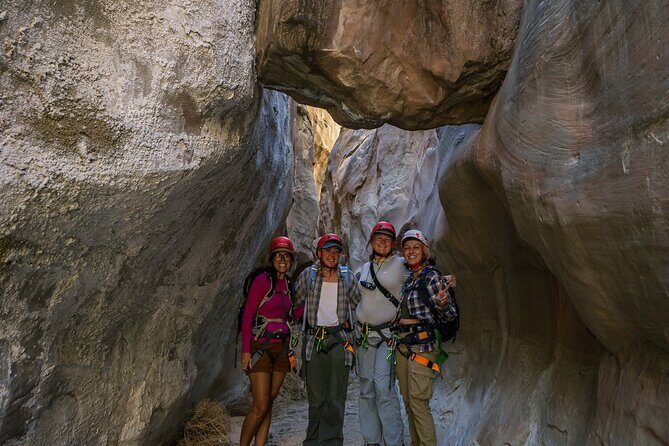
This trip fits best if you want a real slot canyon experience without needing prior canyoneering skills. It’s described as beginner friendly, and the rappel instruction is built around teaching technique and keeping safety tight with a backup belay.
It also sounds like a good match for families with older kids. One five-star story specifically highlights guide Jared helping tweens handle drops and climbs with tips that made them feel capable. Even if you’re not bringing kids, that coaching style is exactly what first-timers need: you learn by doing, but you do it with a calm guide leading the process.
You’d also enjoy this if you like the Southwest desert more when it’s hands-on. The canyon walls, the movement, the vertical moments, and the exit scramble create a full-body experience. This isn’t a long sightseeing loop. It’s an adventure day with a clear rhythm.
If you’re hoping for a purely relaxing nature walk with zero height exposure, this likely isn’t the right fit. Three rappels are the point, and you’ll be strapped in and descending even as a beginner.
Weather and Pacing: What Can Change on the Day
Because this is canyoning, weather matters. The experience requires good weather. If it’s canceled due to poor weather, you’ll be offered a different date or a full refund.
Pacing is also straightforward. You start with a short walk to the canyon entrance, then you hike and scramble to the first rappel, descend three times, and end with a sandstone slab scramble plus the hike back. Total time is about 3 hours, with 3–4 hours car to car.
That schedule helps you plan a travel day around it. You’re not stuck waiting around all afternoon. But you should still expect that the canyon environment sets the tempo—your guide will move at the pace needed for technique and safety.
If you’re traveling across time zones, re-check the local timing note (Utah time) so you arrive ready. That’s the kind of small step that makes the morning smooth.
Should You Book? My Straight Answer for Most Visitors
Book it if you want a safe-feeling first canyoneering day with real rappels, a guide who teaches as you go, and equipment handled end to end. The strongest reasons to choose this trip are the beginner-friendly structure, the backup belay safety approach, and the fact that your guide will coach technique and take photos so you can focus on the experience instead of fiddling with gear.
Skip it or switch dates if weather is iffy, or if you’re not comfortable with rappels and scrambling even with instruction. And plan for logistics like getting to Big Water, since transportation and lunch aren’t included.
If you’re in the Page/Lake Powell area and want more than a drive-by view—this is the kind of activity that actually puts you inside the scenery.
FAQ
How long is the private canyoneering adventure?
It runs for about 3 hours approximately, with an estimated 3–4 hours from car to car.
Where does the tour start?
It starts in Big Water, UT, at the meeting point listed on your mobile ticket.
What time does it start?
The start time is 8:00 am.
How much does it cost?
The price is $195.00 per person.
Is the tour private?
Yes. It’s a private tour/activity, and only your group will participate.
How many rappels are in the canyon?
There are a total of 3 rappels.
What gear is included?
Helmets, harnesses, ropes, carabiner, and a descending device are included.
What isn’t included in the price?
Private transportation and lunch are not included, and gratuity for guides is not included.
Does the guide take photos?
Yes. Your guide will capture photos during your adventure.
What happens if the weather is poor?
This experience requires good weather. If it’s canceled due to poor weather, you’ll be offered a different date or a full refund.
What is the cancellation policy?
Free cancellation is available up to 24 hours in advance for a full refund. If you cancel less than 24 hours before the experience starts, the amount paid is not refunded.